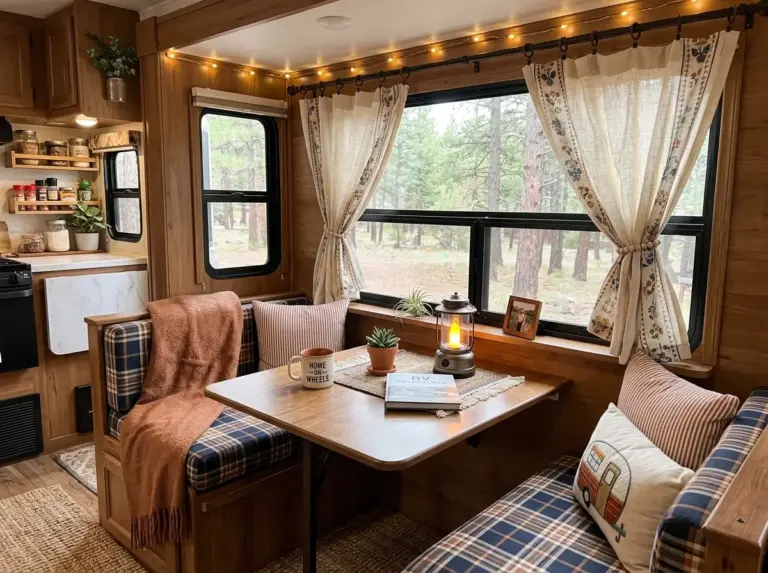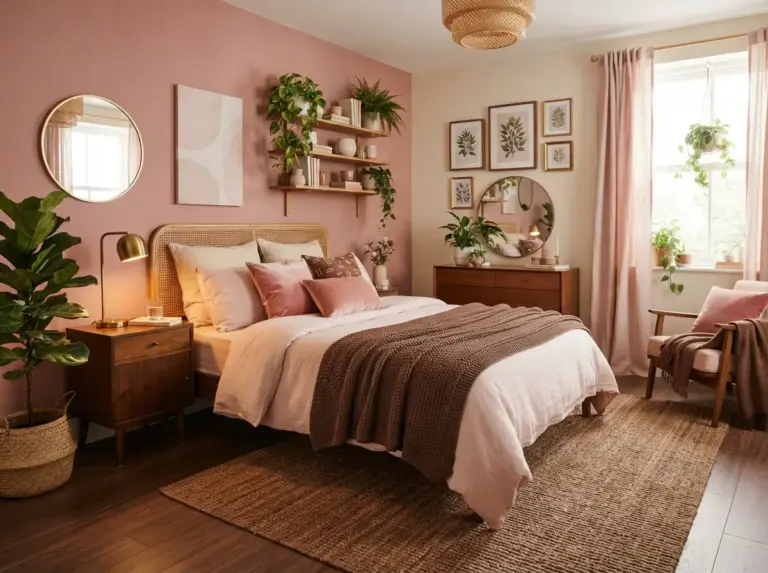


Basements often become storage zones because they feel darker, cooler, and less finished than the rest of the home. Careful decorating can change that without requiring a complete renovation. Good lighting, soft materials, sensible furniture placement, and a controlled colour palette can turn the lower level into a comfortable place for films, games, reading, or quiet conversations. Strong cozy basement design begins with solving practical concerns first, especially moisture, temperature, circulation, and lighting, before adding decorative layers.
Weekend lounging works best when the room supports several relaxed activities without feeling crowded. One corner might hold a sectional and television, while another offers a game table or reading chair. Flexible pieces help beginners adjust the layout as their needs change. Renters can use plug-in lighting, washable rugs, removable wall treatments, and freestanding storage instead of permanent construction. Homeowners can build in more lasting features, but the same rule applies: comfort comes from thoughtful choices, not from filling every open wall.
Which changes have the biggest effect in a cold or underused basement?
Balanced lighting, warm textures, comfortable seating, and clear activity zones create the strongest foundation for cozy basement design. Start with moisture control and a practical floor plan, then add colour, textiles, storage, and personal details in measured layers. Each decision should make the room easier to use rather than simply more decorated.
Build the Layout Around Weekend Activities

Begin by listing how people will actually use the basement on a Saturday afternoon or evening. Film watching needs direct sightlines and deep seating, while board games require a stable table and chairs that allow easy movement. Reading works better near a floor lamp, and children need open floor space that can be cleared quickly. Mapping these activities before buying furniture prevents a common mistake: creating a beautiful arrangement that does not support real routines.
Painter’s tape can mark the footprint of a sofa, media unit, table, and walkway directly on the floor. Keep main paths at least 75 to 90 centimetres wide where possible, especially between stairs, doors, and seating. Place the largest function in the widest area, then fit smaller zones around it. Families who entertain often benefit most from this approach because it prevents people from crossing in front of the television or squeezing behind chairs.
Use Layered Lighting Instead of One Ceiling Fixture

Single overhead fixtures often make a basement feel flat, harsh, and more like a utility room. Layered lighting spreads brightness across different heights and reduces deep shadows. Combine general light from flush mounts or recessed fixtures with floor lamps, table lamps, wall lights, and small accent lamps. Choose bulbs around 2700K to 3000K for lounging areas, since that range feels warmer than cool daylight bulbs without turning the room orange.
Dimmer switches offer more control for homeowners, while renters can use smart bulbs or plug-in dimmers where compatible. Position one lamp near each main seating group rather than relying on a bright centre light. LED strips behind a media console can soften contrast during films, but they should remain hidden from direct view. Small basements and windowless rooms benefit most because layered light makes the edges feel clearer and the ceiling less oppressive.
Choose Warm Neutrals With Controlled Contrast

Pale grey is common in basements, yet too much cool grey can make concrete, low ceilings, and limited daylight feel colder. Warm white, mushroom, oatmeal, clay beige, muted taupe, and soft greige create a gentler background. Pair these shades with deeper accents such as olive, navy, rust, charcoal, or dark brown. Controlled contrast gives the room shape without breaking it into too many visual sections.
Test paint on several walls because artificial light changes undertones. Cream may look yellow beside a cool LED bulb, while greige can turn purple near blue daylight. Samples should be viewed during daytime and evening with the final bulbs switched on. Beginners who feel nervous about colour can keep walls quiet and introduce darker tones through cushions, curtains, art, and a media cabinet. Such a palette suits anyone seeking reliable basement inspiration that remains easy to update.
Anchor Seating With a Large Soft Rug

Hard basement flooring often creates echo and makes the room feel colder underfoot. One properly sized rug can define the lounge, absorb sound, and connect separate furniture pieces. Front legs of the sofa and nearby chairs should rest on the rug whenever space permits. Rugs that stop several inches before every seat often look undersized and make the arrangement feel disconnected.
Low-pile polypropylene, solution-dyed synthetic, washable flatweave, or carpet tiles work well where spills or occasional dampness are concerns. Wool feels luxurious, but it is better for a dry, climate-controlled basement. Add a quality rug pad for softness and stability, choosing a moisture-resistant version over thick felt if the slab tends to feel cool. Renters and parents benefit most from washable options because individual stains are easier to manage without replacing the whole floor covering.
Select Deep Seating Without Blocking the Room
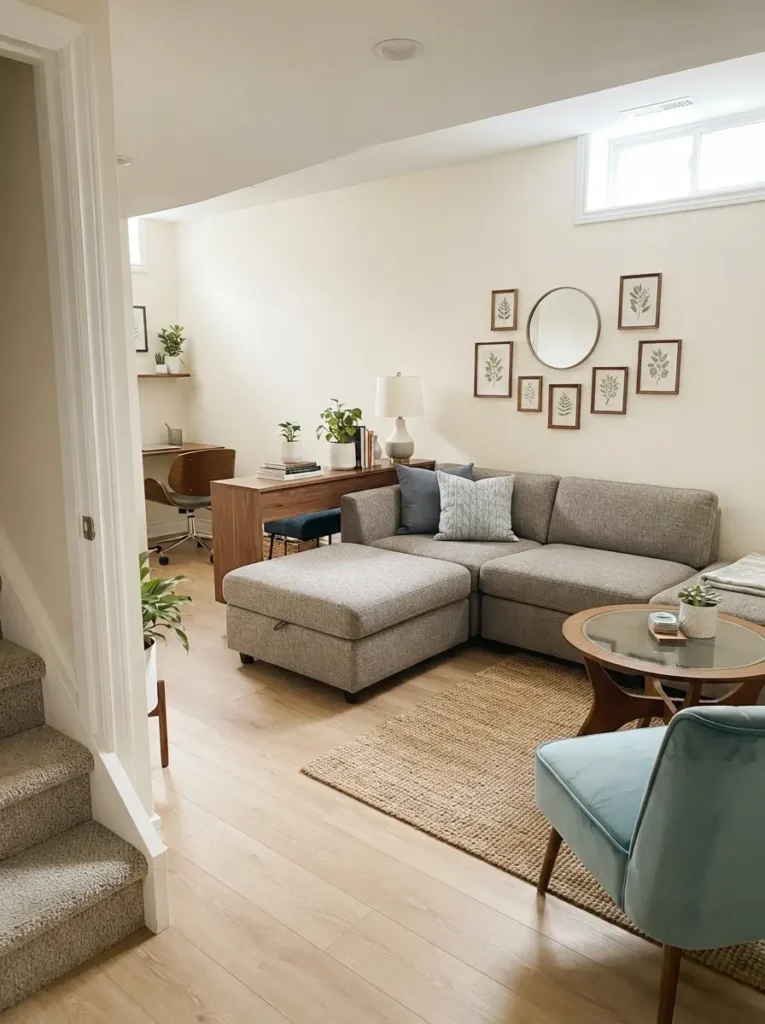
Comfortable seating matters, but oversized furniture can swallow a compact lower level. Measure stair turns, door widths, ceiling height, and the final placement area before ordering anything. Modular sofas, apartment-size sectionals, armless chairs, and ottomans are easier to carry downstairs and rearrange later. Seat depth around 55 to 65 centimetres supports relaxed lounging without demanding the footprint of an extra-deep cinema sofa.
Place the main sofa against the longest uninterrupted wall when the room is narrow. Floating it can work in a wide open plan, especially when the back separates the lounge from a games or work zone. Choose medium-height backs in low-ceilinged rooms because tall bulky silhouettes can make the ceiling appear lower. Couples and small families usually gain more flexibility from a sofa plus movable ottoman than from a fixed chaise that only suits one layout.
Add Flexible Seating for Guests

Weekend rooms often need extra seats for a few hours rather than every day. Pouffes, nesting stools, folding lounge chairs, storage benches, and lightweight accent chairs provide capacity without permanently crowding the floor. Keep occasional pieces close to the wall or under a console, then pull them into the conversation area when guests arrive. Matching every seat is unnecessary; similar fabric tones or wood finishes will make varied pieces feel related.
Storage ottomans earn their place by holding blankets, controllers, toys, or game supplies. Benches with lift-up lids can run beneath a small basement window without blocking daylight. Floor cushions suit teenagers and casual film nights, though adults may need firmer support. Hosts with limited square footage benefit most from furniture that serves two purposes. Avoid collecting too many tiny stools, since several small objects create more visual clutter than one well-proportioned bench.
Create a Media Wall That Reduces Clutter

Television areas feel calmer when cables, consoles, remotes, and speakers have a clear home. Use a low media cabinet with closed doors, ventilation openings, and enough internal depth for equipment. Mounting the screen can free surface space, but the centre of the television should remain close to seated eye level. Screens placed high above fireplaces or tall cabinets often cause neck strain during long viewing sessions.
Paint the media wall a muted dark shade if reflections are distracting, or keep it close to the surrounding wall colour for a softer look. Cable channels painted to match the wall offer a rental-friendly alternative to cutting into plaster. Place decorative objects to one side rather than lining the entire cabinet with small accessories. Film lovers and gaming households benefit from this arrangement because the screen remains central while practical equipment stays accessible and visually quiet.
Warm the Room With Wood Tones

Natural wood introduces warmth that paint alone cannot provide. Oak, walnut, pine, rattan, cane, and wood-effect finishes soften hard basement surfaces and pair well with both modern and traditional furnishings. Use two or three related tones rather than matching every piece exactly. Light oak can keep a small room open, while walnut or stained pine adds weight in a larger lounge.
Freestanding shelving, a coffee table, picture frames, side tables, or slatted panels can bring in wood without a major build. Peel-and-stick wood-look film may refresh a plain cabinet in a rental, provided the surface can handle removal. Reclaimed boards should be dry, clean, and sealed before use indoors. Homeowners considering a basement makeover can repeat one wood tone on stair rails, shelves, and furniture to create continuity from the main floor.
Dress Small Windows to Protect Daylight

Basement windows are often narrow or positioned high on the wall, so heavy curtains can remove valuable natural light. Mount the curtain rod slightly wider than the frame and allow panels to stack mostly beyond the glass. Choose light-filtering linen-look fabric, cotton blends, or simple roller shades. Floor-length panels can make a low window appear taller, but they should not cover radiators, vents, or damp-prone walls.
Privacy film works well for street-facing wells and lets daylight enter without exposing the room. Top-down shades provide another useful balance when the lower part of the window needs coverage. Keep window wells clean and consider painting their interior surfaces a pale colour to reflect more light. Small urban homes and renters benefit most from these changes because they improve brightness without altering the structure or replacing windows.
Use Curtains to Soften Hard Surfaces
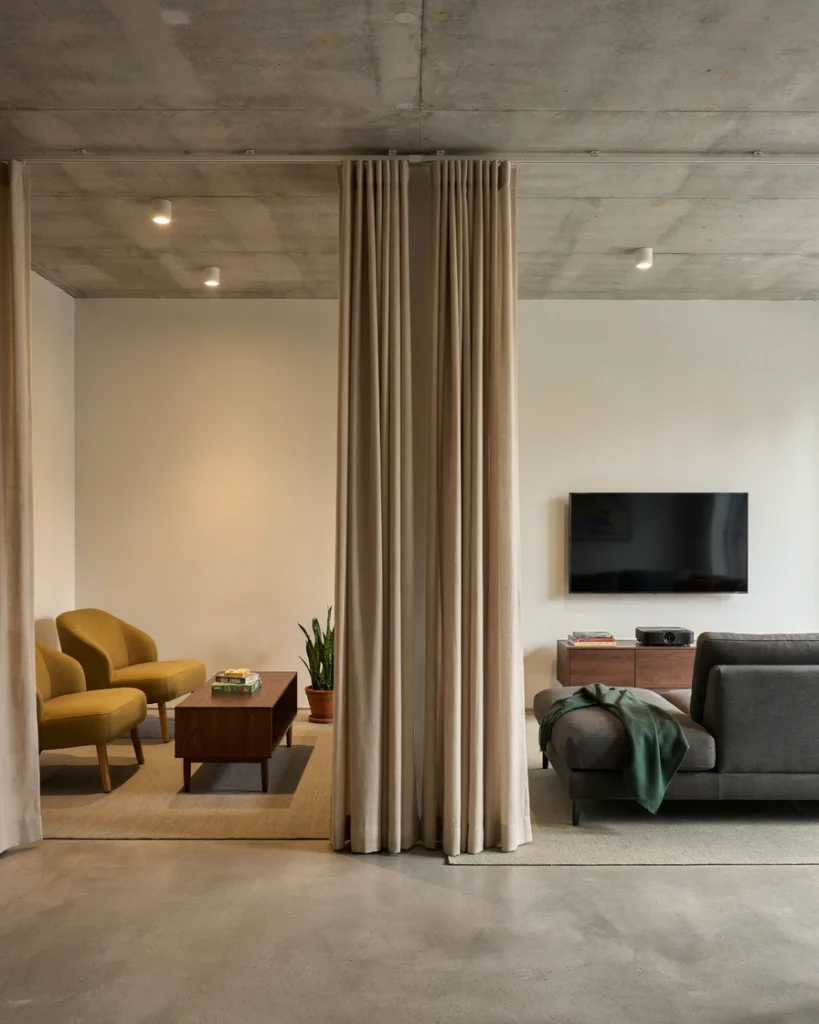
Fabric can improve a basement even when there are no traditional windows to dress. Full-length curtains may conceal open storage, utility panels, laundry equipment, or an unfinished section used less often. Ceiling-mounted tracks create a cleaner line than several short rods and allow panels to slide fully aside. Choose washable fabric with enough weight to hang neatly, but avoid thick material against a wall that has unresolved moisture.
Curtain panels can also soften an open doorway or divide a games corner from the film area. Similar colour on walls and fabric keeps the division subtle, while a darker textile creates stronger separation. Renters can use tension systems or removable track solutions designed for their ceiling type. Open-plan basements benefit most because curtains provide flexible privacy and sound control without committing to a permanent wall.
Plan a Compact Snack and Drinks Station

Convenient refreshments make weekend lounging easier, but a full wet bar is not always necessary. Start with a sturdy cabinet, tray, electric kettle, mini fridge, or coffee machine based on household habits. Keep the station outside the main walkway and near an existing outlet. Closed storage should hold mugs, glasses, napkins, and snacks, while the counter remains mostly clear for serving.
Moisture-resistant surfaces such as sealed wood, laminate, compact quartz offcuts, or a large washable tray simplify cleanup. Families with children can store breakable items high and keep water or packaged snacks within easy reach. Renters may use a freestanding sideboard that later moves to another room. Entertainers benefit most from this feature because guests can help themselves without repeatedly travelling upstairs or interrupting a film.
Build Storage Into the Room’s Dead Zones

Awkward corners, low areas beneath stairs, and shallow wall recesses can hold useful storage without shrinking the main lounge. Select closed cabinets for visual clutter and open shelves for a limited number of books, baskets, or decorative objects. Matching baskets make irregular shelves feel orderly, but labels should describe contents clearly enough that everyone can return items to the correct place.
Under-stair drawers offer excellent capacity for homeowners, while modular cube units provide a low-cost alternative. Keep frequently used games and blankets between knee and shoulder height. Seasonal items can sit higher or deeper inside cabinets. Families with hobbies gain the most from planned storage because supplies remain close without taking over the coffee table. One common error involves filling every shelf completely; leaving some open space helps the room breathe and makes favourite objects easier to notice.
Add One Reading Corner With Focused Light
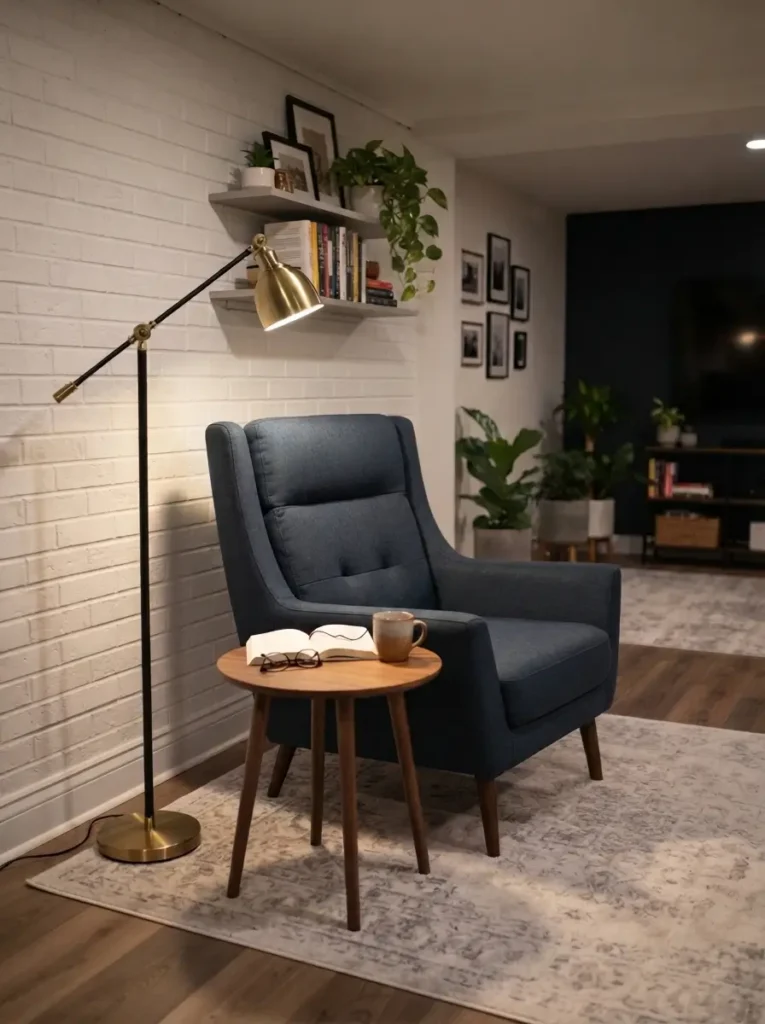
Quiet seating can make the basement useful even when the television is off. Choose a supportive chair, small side table, and adjustable floor lamp rather than trying to create a full library. Position the chair away from screen glare and busy routes. Lumbar support, a seat height around 43 to 48 centimetres, and a table within easy reach matter more than an oversized statement chair.
Lighting should fall over the reader’s shoulder or from the side, not directly into the eyes. Bulbs around 2700K to 3000K provide warmth, while a high colour-rendering rating helps pages and fabrics look natural. Add a compact bookcase or wall-mounted ledge only if circulation remains clear. Introverts, remote workers taking breaks, and households with different evening routines benefit most from a separate corner that feels connected yet not exposed.
Control Sound With Soft and Solid Materials
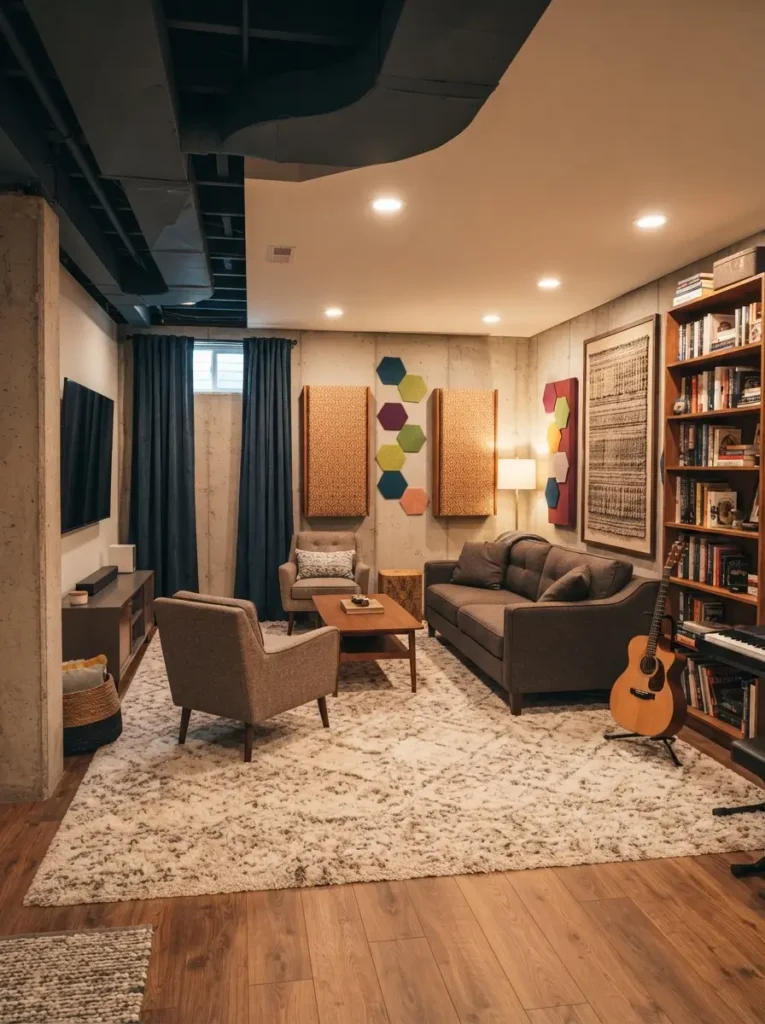
Basements can echo because of concrete walls, exposed ceilings, hard flooring, and limited upholstery. Rugs, curtains, fabric seating, filled bookcases, and upholstered panels reduce reflected sound. Spread these materials around the room rather than placing every soft item in one corner. Sound control improves conversation and keeps television volume from becoming unnecessarily high.
Acoustic panels work best when installed at reflection points, but they do not need to resemble studio foam. Fabric-wrapped panels, felt tiles, slatted wood systems with acoustic backing, or large textile art can suit a home setting. Renters can hang lightweight panels using removable methods approved for the wall finish. Musicians, gamers, and families with bedrooms above the basement benefit most, though true soundproofing may still require construction around ceilings, doors, and mechanical openings.
Decorate With Fewer Larger Pieces

Tiny artwork and scattered ornaments often disappear on broad basement walls. One large print, a grouped set of three, or a wide textile can create a stronger focal point. Centre artwork relative to the sofa or cabinet below it rather than automatically centring it on the entire wall. Typical hanging height places the artwork’s centre near eye level, though low ceilings may require a slightly lower arrangement.
Select subjects that support the room’s use, such as landscape photography, graphic abstracts, film posters in matching frames, or family photographs printed consistently. Removable strips and leaning frames help renters avoid unnecessary holes. Keep table accessories limited to a tray, plant, lamp, and one personal object. Beginners benefit from this restrained method because fewer decisions produce a calmer result and leave room for future additions.
Bring in Greenery Suited to Low Light

Plants soften corners and add life, but basements often provide less natural light than common houseplants need. Snake plants, ZZ plants, pothos, cast-iron plants, and some philodendrons tolerate lower light, though none thrive in complete darkness. Place living plants near the brightest window and rotate them occasionally. Grow lights with a neutral appearance can support plants in darker zones without turning the lounge into a greenhouse.
High-quality artificial greenery may be more practical near utility areas, behind a sofa, or in a windowless corner. Dust leaves regularly because basement air can carry lint from laundry or mechanical systems. Choose one medium floor plant or a small group on a shelf rather than many undersized pots. Busy households and beginners benefit most from low-maintenance choices that provide softness without creating another demanding routine.
Finish With Blankets and Cushions in Layers
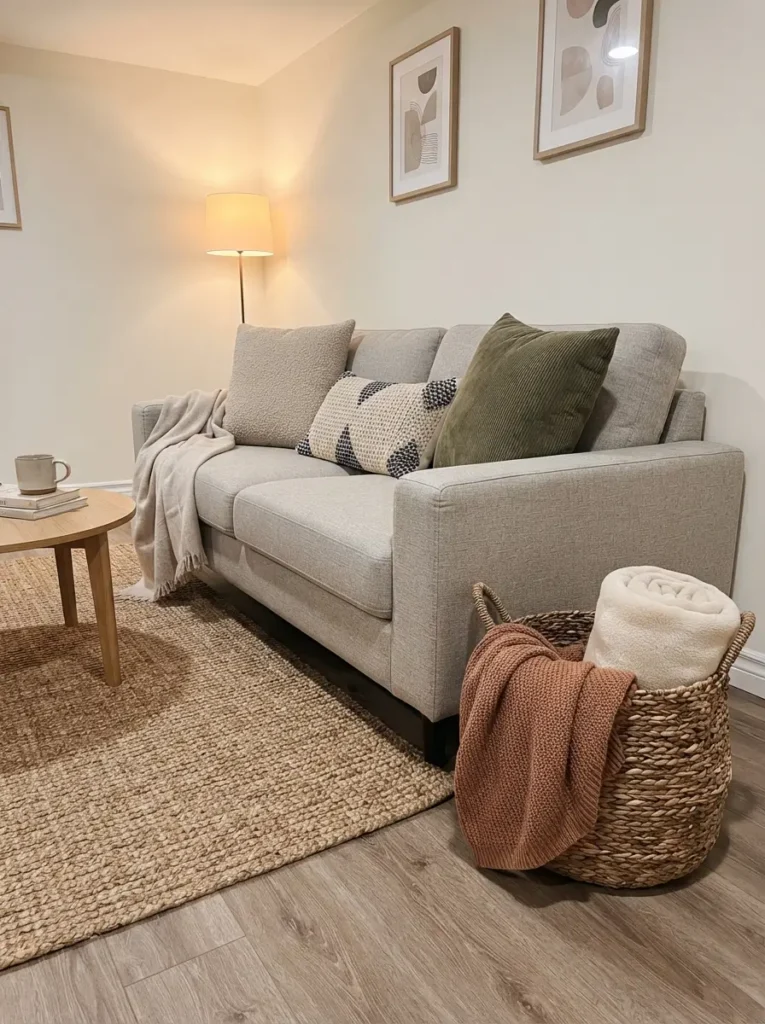
Textiles make the final arrangement inviting, but too many patterns can make a small room feel busy. Start with two larger cushions that support the sofa, add one smaller lumbar cushion, and keep one or two washable throws nearby. Mix texture through boucle, corduroy, brushed cotton, knit, velvet, or linen-look fabric while limiting the colour palette to three or four main tones.
Blankets should be easy to reach rather than arranged only for display. Store extras in a basket, bench, or ottoman so guests can adjust to cooler basement temperatures. Washable covers are especially useful around food, pets, and children. Anyone researching unfinished basement ideas on a budget can use textiles to soften basic flooring, simple walls, and second-hand furniture while saving larger upgrades for later.
Common Basement Decorating Mistakes to Avoid
Ignoring moisture is the most serious mistake. Musty smells, staining, condensation, peeling paint, or damp flooring need investigation before rugs, wall panels, or built-ins go in. Decorative products can trap moisture and hide damage. Check drainage, plumbing, ventilation, and foundation conditions with an appropriate professional when warning signs persist. Dehumidifiers may help manage humidity, but they do not repair leaks.
Using only cool white bulbs can make the lower level feel clinical. Mixing several bulb temperatures in one sightline creates another problem because surfaces change colour from one zone to the next. Keep the main lounge within a consistent 2700K to 3000K range, then use brighter task lighting only where needed. Bulb brightness should also match the fixture and room size rather than relying on one extremely bright source.
Buying furniture before measuring access causes expensive frustration. Staircases, tight turns, low bulkheads, and narrow doors may prevent a fully assembled sofa from reaching the room. Record every critical dimension and compare it with packaged measurements, not only the finished width. Modular and flat-pack pieces often solve access problems more gracefully than forcing a compromised layout around one oversized item.
Pushing every piece against the wall can leave an empty centre and weaken conversation. Pull chairs slightly inward, place a rug beneath the front legs, and keep side tables within reach. Small rooms still need breathing space, but that space should support circulation rather than becoming unused distance. Floating one compact piece can create a more connected seating group when the proportions allow it.
Overdecorating low ceilings creates visual pressure. Deep crown moulding, hanging fixtures, tall cabinets, and crowded gallery walls can make limited height more obvious. Choose slim ceiling lights, lower furniture, vertical curtains, and art with generous space around it. Strong horizontal lines may widen the room, while a few vertical elements help guide the eye upward without exaggeration.
Forgetting maintenance also reduces long-term comfort. Rugs need cleaning access, media cabinets need ventilation, and storage bins need labels. Leave enough clearance around boilers, electrical panels, pumps, and shutoff valves according to local requirements. Decorative screens should never block safety equipment or service access. Practical rooms remain attractive because they are easier to clean, repair, and reorganise.
Budget-Friendly Ways to Improve the Basement
Start with cleaning, editing, and rearranging before shopping. Removing unused furniture, consolidating storage, and shifting the seating toward the best wall can improve the room for no cost. Clean light fixtures and windows, wash textiles, and touch up damaged paint. Small maintenance tasks often reveal which purchases are truly needed instead of encouraging a rushed shopping list.
Second-hand furniture can stretch a modest budget, especially for solid wood tables, bookcases, benches, and lamps. Inspect upholstery for odour, pests, broken frames, and permanent stains before bringing it indoors. Hard furniture can often be cleaned, repaired, or refinished more safely than unknown fabric pieces. Matching second-hand items through repeated wood tones or similar hardware creates a deliberate result.
Paint usually provides one of the biggest visual changes per pound. Focus on walls, trim, a media cabinet, or one shelving unit rather than buying several decorative objects. Sample pots prevent costly colour mistakes under artificial light. Leftover paint can refresh frames, plant pots, and small tables, provided the product suits the surface and remains in good condition.
Textiles offer another controlled upgrade path. Set a simple budget, such as £40 for cushions and covers, £70 for a washable rug, or £25 for a throw and basket, then prioritise the item that solves the clearest problem. Prices vary by size and retailer, so compare dimensions and care instructions rather than chasing the lowest number. Durable, washable pieces usually offer better value in a frequently used lounge.
Rental-friendly changes should leave surfaces easy to restore. Plug-in wall lights, command-style hanging systems, tension rods, freestanding shelves, peelable wallpaper approved for the wall finish, and removable cable covers can add function without construction. Test adhesive products in a hidden area and follow the manufacturer’s removal guidance. Keep original hardware in labelled bags so doors, handles, or blinds can be returned to their previous condition.
Practical Cozy Basement Design Tips for Small Rooms
Visual consistency matters more than owning matching furniture. Repeat one wood finish, one dark accent, and two or three soft colours across the lounge. Similar repetition connects second-hand, rental-friendly, and existing pieces. Strong cozy basement design also depends on clear floor space, so remove one small table or decorative stand whenever movement starts to feel awkward.
Scale should guide every purchase. Low ceilings suit compact lamp shades, shallow cabinets, lower-backed seating, and artwork with breathing room. Narrow rooms often work better with an oval coffee table because rounded corners improve circulation. Small square rooms may suit nesting tables that separate when guests need a drink surface and stack again after the weekend.
Temperature deserves attention because basements can feel cooler even when the thermostat seems comfortable. Check for drafts, blocked vents, and poorly sealed windows before adding more blankets. Use insulated curtains where appropriate, place rugs over cold hard flooring, and keep seating away from visibly damp exterior walls. Portable heaters require careful placement, correct electrical capacity, and strict attention to manufacturer safety guidance.
Ceiling treatment can influence the room’s character. Painting exposed joists and services one consistent dark colour may create a tidy industrial effect, but electrical and mechanical work should remain accessible and code-compliant. Drywall creates a finished appearance but reduces height and can complicate access. Drop ceilings allow servicing yet need careful tile selection to avoid an office-like result. Choose according to moisture risk, ceiling height, and maintenance needs.
Personal details should reflect real weekend habits. Frame ticket stubs, display a small record collection, store favourite games in matching boxes, or place family photographs near the stairs. Avoid filling the room with generic signs that do not connect to anyone using it. Meaningful items create warmth because they support memory and routine, not because they follow a trend.
Prepare the Basement for Easy Weekend Lounging
Friday preparation can take less than fifteen minutes when every item has a home. Return controllers to a tray, fold blankets into a basket, clear cups from the snack cabinet, and switch on a dehumidifier if indoor humidity requires it. Place coasters on side tables and check that charging cables reach the main seats safely. Small routines prevent the room from feeling neglected between uses and reduce the temptation to hide clutter behind doors or under furniture.
Before guests arrive, adjust lighting by activity rather than turning on every fixture. Use general lighting while people settle in, then lower overhead brightness for films and keep one side lamp available for safe movement. Pull flexible stools or pouffes into the seating group, but preserve the route to the stairs and toilet. Set snacks on a wipeable tray rather than directly on upholstered surfaces. Hosts benefit from this sequence because it creates comfort while keeping spills, cables, and crowded walkways under control.
Sunday resets should focus on moisture, crumbs, and textiles. Vacuum the rug and sofa seams, shake out washable throws, empty food waste, and leave cabinet doors open briefly if the snack area needs airing. Check plant soil before watering, since low-light plants often dry more slowly downstairs. Return movable furniture to its everyday position and note anything that repeatedly causes inconvenience. Repeated issues, such as a missing lamp or awkward table, reveal where the next small improvement should go.
Keep a simple note on your phone listing room measurements, bulb types, fabric colours, and unfinished tasks. Shopping becomes faster because you can compare each item with real needs. Such a note also prevents duplicate baskets, lamps, cushions, and storage boxes later.
Frequently Asked Questions
Which colours make a basement feel warmer?
Warm white, cream, mushroom, beige, clay, muted olive, rust, and medium wood tones usually counter the cool character of concrete and limited daylight. Test every paint colour beside the final flooring and under the bulbs you plan to use. Deep colours can work on a media wall or cabinet, but covering every surface in a dark shade may reduce visual clarity in a small room.
What lighting temperature is best for a basement lounge?
Bulbs between 2700K and 3000K suit most seating, film, and conversation areas. Add focused task lighting for reading, crafts, or games rather than increasing the brightness of the entire room. Keeping colour temperature consistent across visible fixtures prevents walls and fabrics from shifting between yellow and blue.
How can renters make a basement feel finished?
Renters can add a large rug, plug-in lamps, freestanding storage, washable curtains, removable cable covers, framed art, and cohesive textiles. Furniture placement and lighting usually make a bigger difference than permanent wall treatments. Any adhesive product should be tested first, and access to utility equipment must remain clear.
Which sofa shape works best in a small basement?
Apartment-size sofas, modular two- or three-seat designs, and compact sectionals often fit best. Measure stair access, doorways, and turning space before choosing. Sofas with exposed legs and medium-height backs usually feel lighter than bulky models with tall arms, while an ottoman can provide a flexible chaise without fixing the layout.
How do I make an unfinished basement comfortable cheaply?
Start by addressing dampness, cleaning thoroughly, improving safe lighting, and defining one usable zone with a rug and second-hand seating. Curtains can screen storage or utility areas without building walls. Such steps support a practical cozy basement design while larger improvements are saved for later, but they should never conceal moisture, wiring, or safety problems.
How much furniture should a basement lounge contain?
Enough furniture should support the household’s usual activities without narrowing the main route or blocking service access. Most small lounges need one main sofa, one flexible extra seat, a coffee table or ottoman, a media unit, and one lamp near each activity zone. Add storage only when it has a defined purpose.
Conclusion
Comfortable basement rooms grow from practical decisions made in the right order. Deal with moisture, access, temperature, and lighting before concentrating on decoration. Build the layout around actual weekend activities, choose furniture that fits the stairs and floor plan, then use rugs, curtains, wood tones, and textiles to soften hard surfaces. Thoughtful storage and flexible seating keep the room easy to use as routines change.
Successful cozy basement design does not require expensive custom work or a catalogue-perfect matching set. Measured furniture, warm bulbs, washable materials, and a restrained palette can make an ordinary lower level feel welcoming. Begin with one zone, solve its biggest comfort problem, and add layers slowly. The result will feel stylish because every object supports how the household relaxes, hosts, reads, plays, and spends time together.