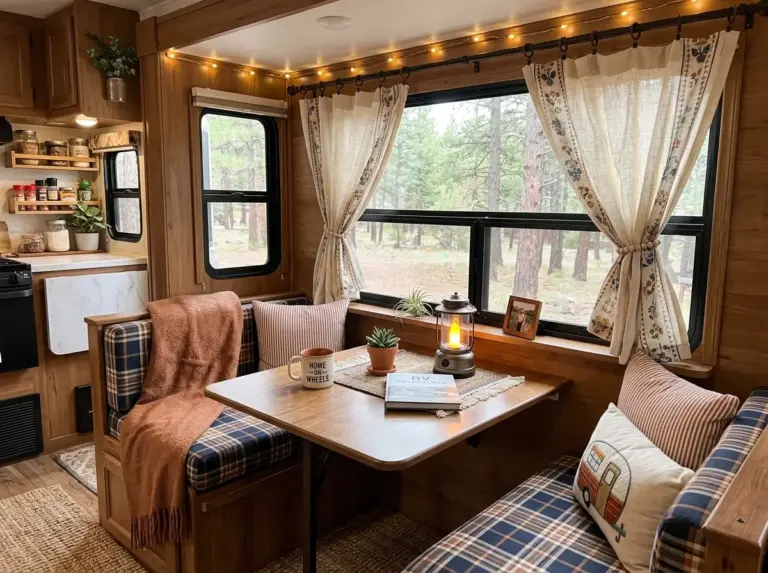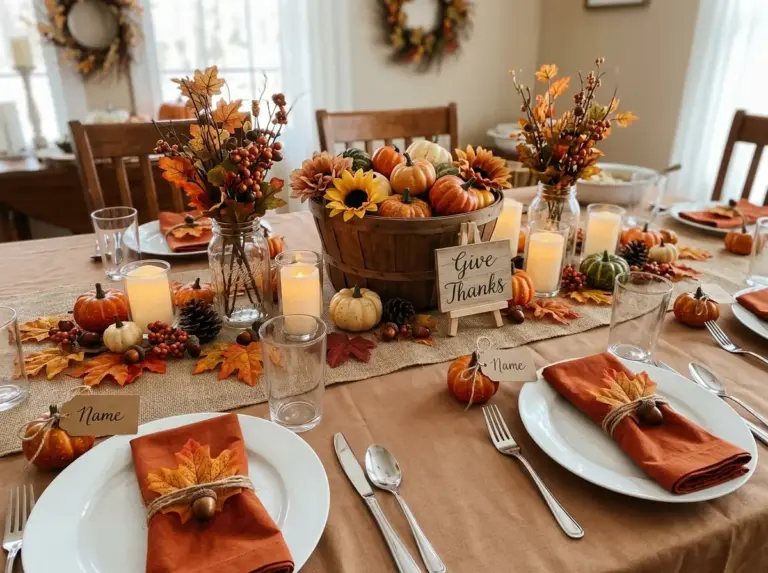


Friendsgiving gatherings are about more than sharing a meal. They create a relaxed space where friends, coworkers, neighbors, and new guests can connect outside their normal routines. Adding games to your celebration helps people move beyond small talk and gives everyone a simple reason to interact. The right activities can make a quiet room feel welcoming without forcing anyone into uncomfortable situations.
Planning Friendsgiving Games for Adults works especially well when your guest list includes people who do not know each other very well. Games encourage natural conversations, create shared memories, and help guests feel included. You do not need expensive supplies or a large home to organize enjoyable activities. A small apartment, rented space, or cozy dining area can become a fun gathering spot with thoughtful planning.
What are the best Friendsgiving games for adults?
The best Friendsgiving games for adults are simple activities that encourage conversation, teamwork, and laughter. Popular options include Thanksgiving trivia, gratitude games, guessing games, charades, card games, and conversation challenges. Choose activities based on your guests’ personalities, available space, and comfort level.
How do Friendsgiving games help break the ice?
Games create natural conversation starters and remove the pressure of finding something to talk about. Guests who are meeting for the first time often feel more comfortable when they have a shared activity instead of sitting quietly around the table. A simple game can turn unfamiliar faces into friendly conversations within minutes.
Small gatherings benefit from low-pressure games that allow everyone to participate at their own pace. Larger groups may enjoy team-based activities where guests work together instead of competing individually. Understanding your group dynamic helps you select activities that feel welcoming rather than forced.
Create a Friendsgiving Trivia Challenge
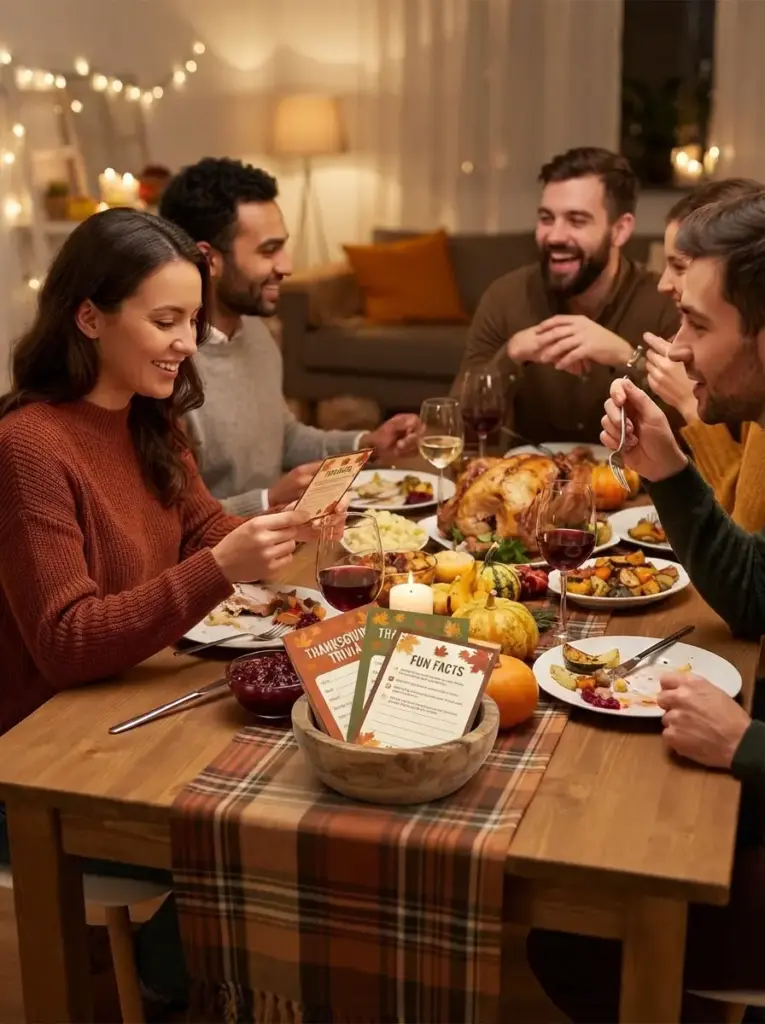
Thanksgiving trivia is one of the easiest ways to bring guests together because almost everyone can participate regardless of age or personality. Prepare questions about Thanksgiving traditions, fall foods, movies, personal memories, or fun facts. Keep the questions light instead of making the game feel like a test.
A simple setup can include printed question cards placed in a small wooden bowl on the table. Use warm colors such as burnt orange, olive green, cream, and brown for the cards to match your Friendsgiving decor. Guests can pick questions between dinner courses or during dessert time.
This idea works well for hosts who want a structured activity without taking attention away from conversations. Introverted guests often enjoy trivia because they can participate without being the center of attention. For a small apartment gathering, divide six to eight guests into pairs so everyone feels involved.
Avoid making questions too difficult. The goal is connection, not proving who knows the most information. Mix easy questions with funny ones, such as “Which Thanksgiving food would you remove from the table forever?” or “What is your favorite fall memory?”
Set Up a Gratitude Conversation Game
Friendsgiving naturally focuses on appreciation, making gratitude games a meaningful addition to the celebration. Instead of simply asking everyone to say what they are thankful for, create prompts that encourage deeper conversations.
Write questions on small cards and place them near the centerpiece. Examples include:
- What is one small moment that made you happy this year?
- What friendship has made a difference in your life?
- What is something new you learned recently?
- What tradition would you like to start?
Guests can answer during dinner or after everyone finishes eating. This activity works especially well when your group includes close friends who enjoy thoughtful conversations.
The setup does not require much money. Reuse leftover cardstock, old greeting cards, or simple paper tags. Pair the cards with natural materials like pinecones, dried leaves, or small candles to match a cozy Friendsgiving table.
Warm lighting also improves the mood for conversation. Use soft white bulbs around 2700K to create a comfortable dining atmosphere instead of harsh cool lighting that feels more like an office.
Organize a Friendsgiving Scavenger Hunt
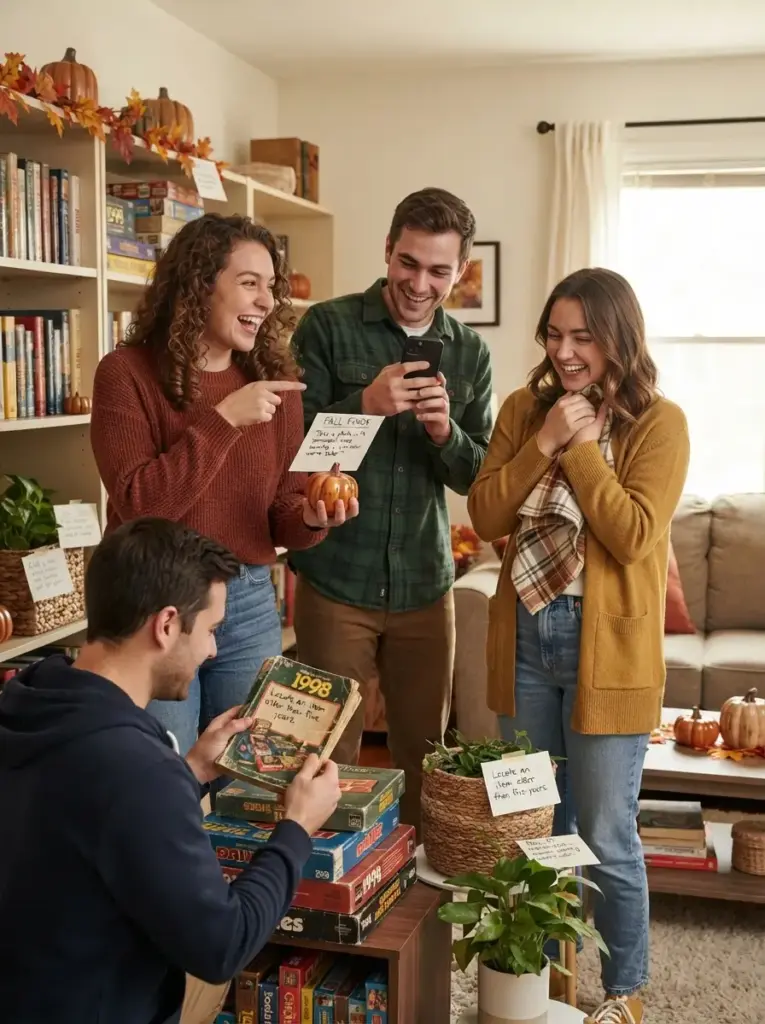
A scavenger hunt adds movement and energy to your gathering. It works particularly well when guests need an activity after sitting at the table for a long time. The clues can focus on your home, holiday memories, or funny friendship moments.
For indoor gatherings, create simple challenges such as:
- Find something that represents fall.
- Take a photo with someone wearing a warm color.
- Locate an item older than five years.
- Find something that reminds you of Thanksgiving.
Apartment hosts can easily adapt this game because it does not require outdoor space. Use different rooms, shelves, or decorative areas as clue locations. Keep the tasks respectful and avoid hiding items in private areas.
This activity suits groups that enjoy playful competition. Younger adults and larger friend groups usually respond well because it creates movement and teamwork. Guests who arrive without knowing many people can quickly connect because they complete tasks together.
When preparing your space, avoid placing fragile decorations in areas where guests may search. Use sturdy decor pieces such as ceramic pumpkins, fabric napkins, wooden trays, or artificial greenery instead of delicate glass items.
Play “Who Knows the Host Best”
Personal games help guests learn more about each other while keeping the atmosphere relaxed. “Who Knows the Host Best” is a simple choice for close friends and mixed groups.
Before the event, prepare questions about yourself or your friend group. Examples include:
- What food would I eat every week?
- What is my favorite holiday tradition?
- What place do I want to visit?
- What is my funniest habit?
Guests write their answers on small cards, and everyone compares responses. The funniest answers usually create stories and conversations naturally.
This game works best for hosts who want to add a personal element to their celebration. It requires almost no budget and can be prepared using supplies already available at home.
For better organization, place pens and answer cards in a small basket near the dining table. Keep extra seating nearby so guests can gather comfortably. A mix of dining chairs, stools, and a small bench can create flexible seating in smaller homes.
Try a Friendsgiving Charades Game
Charades remains one of the easiest party games because guests already understand the rules and no complicated preparation is needed. This activity encourages movement, teamwork, and plenty of laughter without requiring expensive supplies. Create cards with words related to fall, friendship, food, movies, or everyday situations.
Examples include:
- Pumpkin pie
- Cooking dinner
- Watching a holiday movie
- Sweater weather
- Decorating a home
- Finding a lost recipe
Place the cards inside a decorative bowl or small basket that matches your table setup. A ceramic bowl, wooden tray, or glass container can work well because it blends with most Friendsgiving decorations.
This game is ideal for energetic groups who enjoy acting and playful moments. It also helps guests who do not know each other because laughter naturally creates connection. People often remember funny performances more than formal introductions.
Small-space hosts should create a clear playing area before guests arrive. Move a coffee table slightly away from seating or use an open corner near the dining area. Avoid placing candles, fragile decorations, or expensive items close to the activity zone.
Create a “Two Truths and a Lie” Conversation Game
Two Truths and a Lie is a simple icebreaker that works well when guests come from different parts of your life. The game allows people to share interesting facts while keeping conversations comfortable.
Each guest shares three statements about themselves. Two statements are true, and one statement is false. Everyone guesses which one is the lie.
Examples:
- I once cooked dinner for 20 people.
- I have visited three different countries.
- I hate chocolate.
The fun comes from unexpected stories that appear after each round. Guests often ask follow-up questions, which naturally creates longer conversations.
This activity is especially useful for Friendsgiving gatherings where coworkers, neighbors, couples, and longtime friends are mixing together. New guests can introduce themselves without giving a traditional speech.
Prepare a comfortable seating arrangement for this game. A circular layout or chairs facing each other works better than a setup where everyone only faces the dining table. In small homes, move extra chairs into a loose circle after dinner.
Host a Friendly Recipe Guessing Game
Food plays a major role in Friendsgiving celebrations, so a recipe guessing game fits naturally into the event. This activity combines conversation with the meal experience and gives guests something interesting to discuss.
Ask guests to guess ingredients in different dishes or desserts. You can include homemade recipes, family favorites, or seasonal snacks.
Ideas include:
- Guess the secret ingredient in a dip.
- Identify different pie flavors.
- Match dishes with the person who prepared them.
- Guess which recipe is homemade.
This game works well for hosts who enjoy cooking and want guests to appreciate the effort behind each dish. It also encourages guests to share their own food traditions.
Keep the game casual instead of turning it into a competition. The purpose is to create stories around food, not judge cooking skills.
Use your dining table layout to support this activity. Place serving dishes where everyone can see them easily. A rectangular table works well for larger groups because guests can pass food and discuss dishes from different seats. Round tables create equal conversation flow for smaller gatherings.
How to Decorate Your Space for Friendsgiving Games
Decorating for Friendsgiving games requires a balance between beauty and practicality. Guests need enough space to move, talk, and participate comfortably. Overdecorating can make your home look attractive but create problems during activities.
Start with a flexible furniture arrangement. Keep the main walkway open between the kitchen, dining area, and seating area. Guests should not have to move around large decorations or squeeze between furniture pieces.
For a cozy setup, combine natural textures with comfortable seating. Wooden furniture, linen table runners, woven baskets, and cotton napkins create a relaxed fall atmosphere. These materials also work well because they are durable and easy to maintain during gatherings.
Lighting plays an important role in creating the right environment. Use warm white lighting around 2700K to 3000K for dining and conversation areas. Add table lamps or battery-operated candles if your rental home does not allow changes to fixtures.
Small Space Tips for Friendsgiving Game Nights
Small homes can still host enjoyable Friendsgiving celebrations with smart planning. The key is choosing decorations and furniture that serve multiple purposes.
Use a dining table as both a meal area and game station. After dinner, remove serving dishes and place game cards, pens, and snacks in the center. This transition saves space and keeps guests together.
Foldable chairs are useful for apartment gatherings because they can be stored when not needed. Ottomans, benches, and stools can provide extra seating without making the room feel crowded.
Avoid large centerpieces that block conversation. Instead, choose low arrangements such as small pumpkins, candles, or greenery placed in shallow containers.
Rental-friendly decorating also matters. Use removable hooks for hanging seasonal signs, battery candles instead of wired decorations, and washable fabrics instead of permanent changes. These choices allow you to create a festive environment without risking damage to the property.
Common Mistakes to Avoid During Friendsgiving Games
Choosing Games That Make Guests Uncomfortable
Not every group enjoys competitive or highly personal games. Avoid activities that force guests to share private information or perform if they feel uncomfortable.
Offer different options and allow people to participate naturally. Good hosts create opportunities for fun without making anyone feel pressured.
Planning Too Many Activities
Trying to schedule games every 20 minutes can make the gathering feel rushed. Guests also need time to eat, relax, and have casual conversations.
Choose two or three main activities and keep extra ideas available only if the group wants more entertainment.
Ignoring Your Room Layout
A crowded space can make games difficult. Before guests arrive, test where people will sit, stand, and move.
Remove unnecessary furniture temporarily if needed. Even a small change, such as moving a side table, can create more comfortable space.
Using Decorations That Interfere With Games
Tall centerpieces, fragile items, and excessive table decorations can become obstacles. Choose practical decor that supports conversation.
Low decorations and sturdy materials work better because guests can focus on the activity instead of worrying about damaging something.
Budget-Friendly Friendsgiving Game and Decor Tips
Creating a memorable Friendsgiving does not require spending a lot of money. Many enjoyable games can be created with items already available at home.
Use recycled materials for game supplies. Old greeting cards can become question cards, leftover wrapping paper can create decorative labels, and unused notebooks can provide writing pages.
Decorate with affordable seasonal items such as:
- Small pumpkins
- Dried leaves
- Mason jars
- Neutral table linens
- Wooden trays
- String lights
Dollar stores often carry simple items that can be combined with existing home decor. Mixing inexpensive pieces with items you already own creates a balanced look without making the space feel temporary.
Food presentation can also improve the gathering without extra expense. Use matching plates, arrange snacks on wooden boards, and place drinks in a dedicated area to reduce table clutter.
Friendsgiving Games for Adults Tips for a Better Gathering
Choosing the right Friendsgiving Games for Adults depends on your guests, available space, and the type of atmosphere you want to create. A successful game night does not require complicated rules or expensive supplies. The best activities feel natural and allow people to connect while enjoying food and conversation.
Start by considering your guest list. Close friends may enjoy personal games that involve memories and stories, while mixed groups may prefer simple trivia or team activities. New guests usually feel more comfortable with games that include everyone without requiring too much attention from one person.
Prepare materials before guests arrive. Keep question cards, pens, game pieces, and instructions in one easy-to-find location. A small basket near the dining area or coffee table keeps everything organized and prevents interruptions during the gathering.
Timing also matters. Avoid starting games immediately when guests walk in because people need time to settle, greet each other, and enjoy appetizers. The best moments for activities are usually after dinner, during dessert, or when conversations naturally slow down.
Consider creating different activity zones if you have enough space. A dining table can hold trivia cards and writing games, while a seating area can work better for charades or storytelling activities. This layout allows guests to choose activities based on their comfort level.
Keep competition friendly. Small prizes can add excitement without making the event feel serious. Simple rewards such as homemade cookies, a fall candle, or a handwritten thank-you note can make winners feel appreciated.
Make Games Match Your Friendsgiving Theme
A coordinated theme can make your gathering feel more thoughtful. Your games do not need complicated decorations, but small details can connect everything together.
For a traditional fall Friendsgiving, use warm colors such as rust, cream, deep green, and soft brown. Match game cards, napkins, and table accessories with these tones. Kraft paper cards with handwritten questions can create a natural and affordable look.
For a modern Friendsgiving style, choose clean designs with neutral colors. Black-and-white printed cards, simple ceramic dishes, and minimal table decorations work well in contemporary homes.
For a cozy farmhouse setting, include wooden trays, woven baskets, linen fabrics, and natural greenery. These materials create a relaxed environment that works well for conversation-based games.
The best decor choices support the activity rather than competing with it. Guests should notice the welcoming atmosphere while still having enough space to play comfortably.
How to Prepare Your Home Before Guests Arrive
A little preparation can make Friendsgiving games run smoothly. Begin by creating clear areas for eating, playing, and relaxing.
Remove unnecessary items from tables and surfaces. Extra decorations, magazines, or personal items can make the room feel crowded and reduce available space.
Arrange seating so guests can easily see and talk to each other. A combination of dining chairs, accent chairs, and stools creates flexible seating options. Avoid placing all chairs against walls because it can separate guests into smaller groups.
Prepare snacks and drinks in a separate area if possible. A small beverage station prevents people from constantly walking through the game space. Use a side table, kitchen counter, or rolling cart for drinks and extra plates.
Check your lighting before guests arrive. Bright overhead lighting can make the room feel less relaxed. Combine ceiling lights with lamps or warm candles to create a comfortable setting.
For rental homes, focus on temporary improvements. Use removable table runners, fabric napkins, battery-operated candles, and seasonal accessories that can be packed away after the event.
FAQ About Friendsgiving Games for Adults
What are some easy Friendsgiving Games for Adults?
Easy Friendsgiving Games for Adults include trivia, charades, gratitude questions, Two Truths and a Lie, recipe guessing games, and conversation cards. These activities require little preparation and help guests interact naturally.
Choose games based on your group size and personality. Quiet groups may enjoy discussion-based games, while energetic groups may prefer activities involving movement and teamwork.
How many games should I plan for Friendsgiving?
Most Friendsgiving gatherings only need two or three planned games. Too many activities can interrupt conversations and make guests feel like they are following a schedule.
Prepare extra game ideas as backup options, but allow the evening to flow naturally. Some of the best moments happen during unplanned conversations.
What games work best for guests who do not know each other?
Icebreaker games work best for mixed groups. Options like Two Truths and a Lie, trivia teams, and conversation cards help guests learn about each other without awkward introductions.
Avoid games that depend heavily on inside jokes because new guests may feel excluded.
How can I organize Friendsgiving games in a small apartment?
Small apartments work well with seated games such as trivia, guessing games, and conversation activities. Clear a small area for movement-based games and use furniture that can be rearranged easily.
Multi-purpose furniture, foldable chairs, and simple decorations help create enough space for guests.
What supplies do I need for Friendsgiving games?
Most Friendsgiving games only require paper, pens, cards, bowls, and a timer. Many supplies can be made using items already available at home.
Focus on creating a comfortable environment rather than buying expensive party products.
How do I make Friendsgiving games less awkward?
Choose relaxed activities with simple rules and allow guests to participate at their own comfort level. Start with easy games that create laughter before moving into deeper conversation activities.
A welcoming seating arrangement, good food, and casual timing help people feel comfortable.
Conclusion
Friendsgiving becomes more memorable when guests have opportunities to connect beyond the dinner table. Simple activities can transform a regular gathering into an evening filled with conversations, laughter, and shared experiences.
The best Friendsgiving Games for Adults are not about complicated rules or expensive supplies. They focus on bringing people together in a comfortable environment where everyone feels included.
Thoughtful planning, flexible furniture arrangements, warm lighting, and practical decorations can make any home ready for a Friendsgiving celebration. Whether you live in a large house, a small apartment, or a rental space, the right games and setup can create a welcoming experience for every guest.
Choose activities that match your group, prepare your space with comfort in mind, and allow conversations to happen naturally. A successful Friendsgiving is built around connection, good food, and moments people will remember long after the holiday ends.