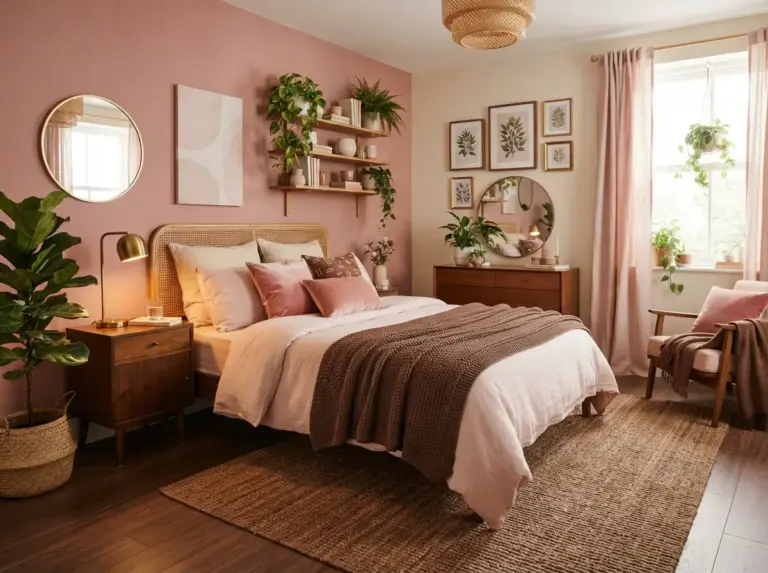
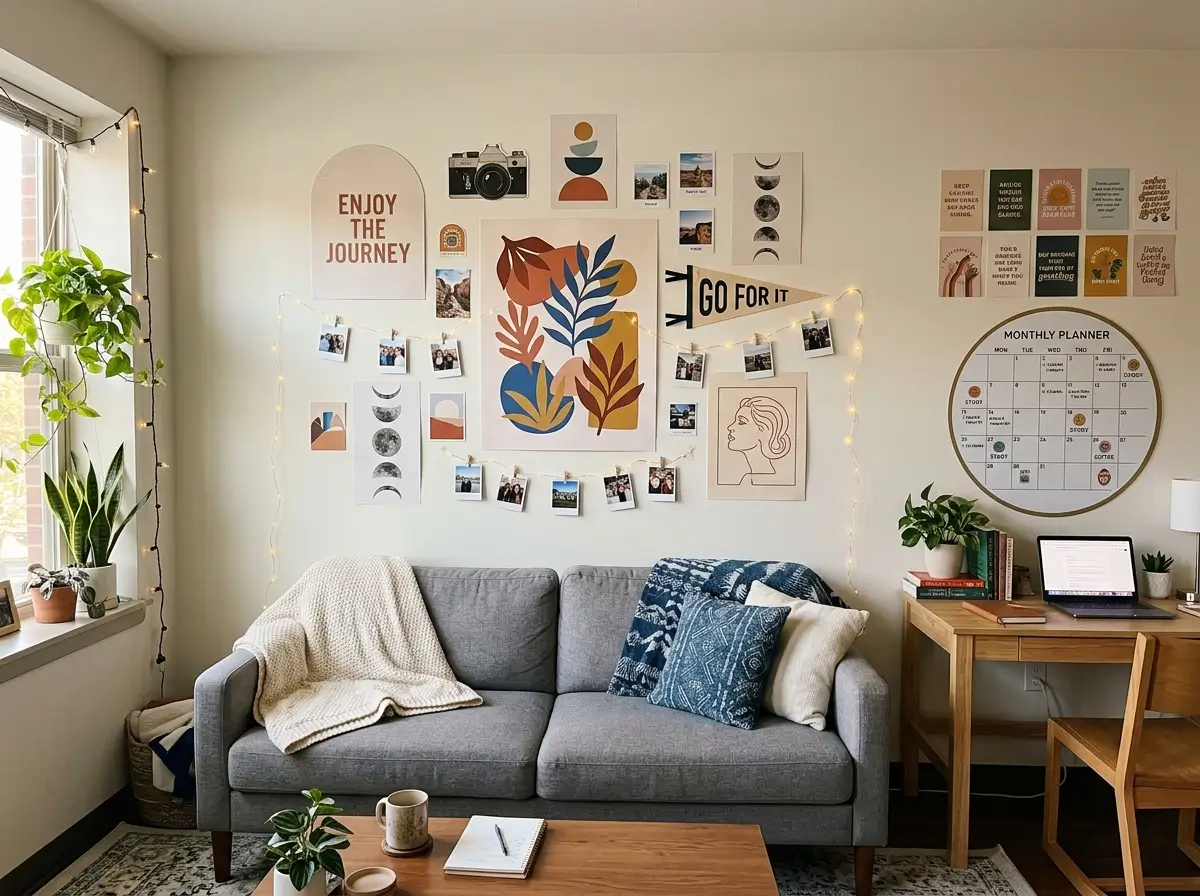

College apartments are exciting because they give you more freedom than a dorm, but they also come with limits. You may have blank white walls, strict rental rules, small rooms, shared spaces, and a budget that cannot stretch too far. That is why peel stick art is such a useful decorating choice.
Peel stick art can include removable wallpaper, decals, wall murals, faux tile, peel stick frames, quote stickers, arches, borders, and patterned panels. You can use these pieces to add color, shape, and personality without nails, paint, or permanent changes.
The best college apartment wall decor should feel personal, easy to remove, and practical for everyday student life. You need decor that looks good, but you also need space for studying, relaxing, hosting friends, and staying organized.
This guide shares 15 college apartment wall decor ideas using peel stick art. Each idea explains why it works, who it is best for, and how to style it without damaging your walls.
How can you decorate college apartment walls without paint or damage?
The easiest way to decorate college apartment walls is to use peel stick art, removable wallpaper, lightweight posters, adhesive hooks, peel stick frames, photo tiles, and renter-friendly wall decals. These options add style without making holes or leaving permanent marks. Start with one main wall, choose a simple color palette, and avoid covering every surface so the apartment still feels clean and open.
Create a Peel Stick Accent Wall Behind the Sofa
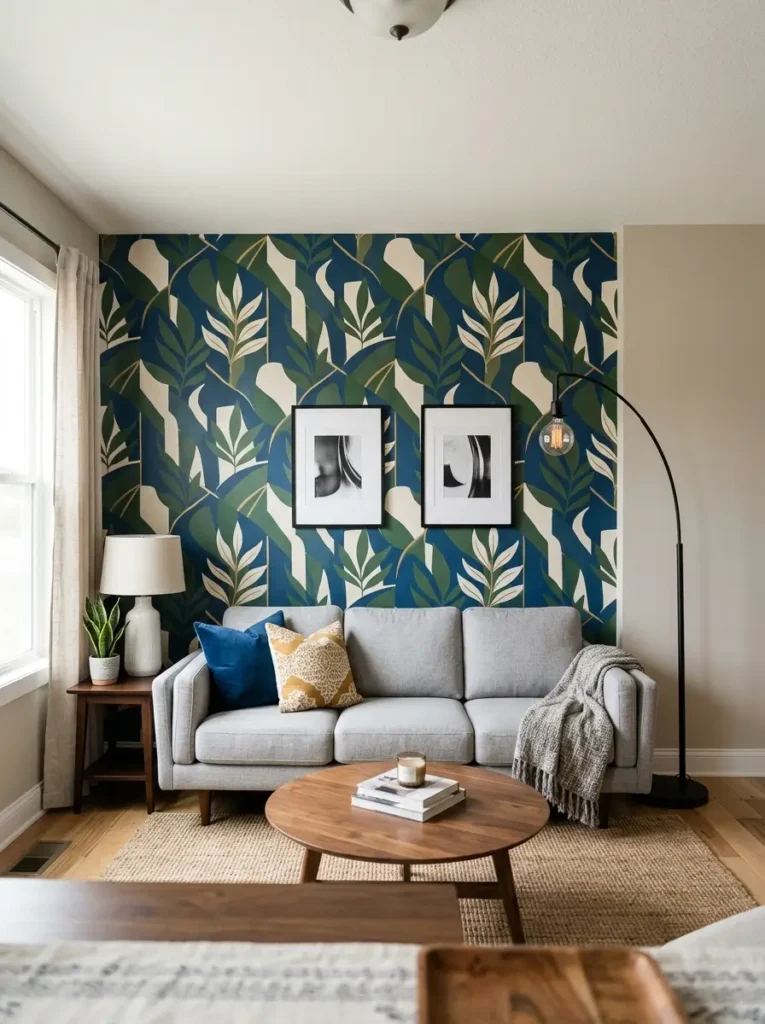
A peel stick accent wall is one of the easiest ways to make a college living room feel more complete. Most college apartments have plain walls, basic flooring, and simple furniture. A removable wallpaper panel behind the sofa gives the room a clear focal point.
This idea works because it adds pattern and depth without needing paint. It also helps anchor secondhand or budget furniture. Even a simple futon or small loveseat looks more intentional when it sits against a styled wall.
For a college apartment wall decor plan, choose a pattern that does not overwhelm the room. Soft beige stripes, muted sage green, warm terracotta shapes, or black and white line designs work well in small spaces. If your sofa is gray, try warm cream wallpaper with a subtle geometric print. If your sofa is beige, a soft olive or dusty blue pattern can add contrast.
This idea is best for students who host friends or want the living room to feel less temporary. It is also useful when you cannot afford new furniture because the wall does most of the visual work.
Before installing peel stick wallpaper, clean the wall with a dry cloth and test a small corner first. Avoid applying it over textured walls, peeling paint, or damp areas. Use a level or measuring tape so the first strip goes on straight. A crooked first strip can make the whole wall look uneven.
Keep the rest of the wall simple. Add one floor lamp with a warm 2700K bulb, a small side table, and two pillows that repeat one color from the wallpaper. This creates a pulled-together look without making the room feel busy.
Use Peel Stick Arches Over a Desk Area
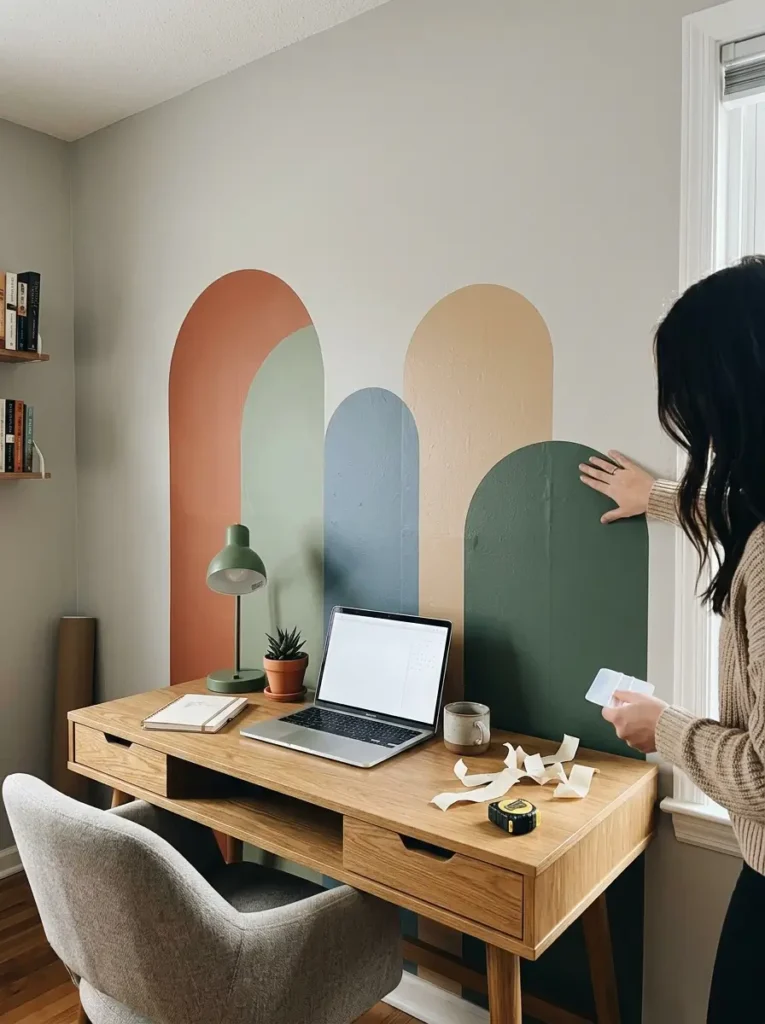
A peel stick arch can turn a plain study corner into a clear work zone. College apartments often combine living, dining, and study areas in one small room. A wall arch helps separate your desk from the rest of the space without using a divider.
This works because the arch creates visual structure. Your brain reads that wall section as a dedicated area, which can make the apartment feel more organized. It is also a low-cost way to make a basic desk look styled.
Choose a peel stick arch in a color that supports focus. Soft taupe, muted green, clay, warm gray, and pale blue are good choices. Avoid very bright red or neon colors behind your laptop because they can feel distracting during long study sessions.
This idea is best for students who work from home, take online classes, or need a calm homework setup. It also works well in studio apartments where the bed, desk, and sofa sit close together.
Place the arch slightly wider than your desk. For example, if your desk is 36 inches wide, choose an arch around 42 to 48 inches wide. This gives the area breathing room and stops the desk from looking squeezed.
You can add a small shelf, calendar, or lightweight pinboard inside the arch. Use removable strips instead of nails if your lease does not allow holes. Keep your desk lamp simple. A matte black, white, or wood-tone lamp works with most peel stick arch colors.
A common mistake is placing the arch too high. The bottom of the arch should feel connected to the desk, not floating randomly above it. Start the arch just above desk height or let it frame the area from the floor upward if the design allows.
Add Peel Stick Quote Decals With a Clean Layout
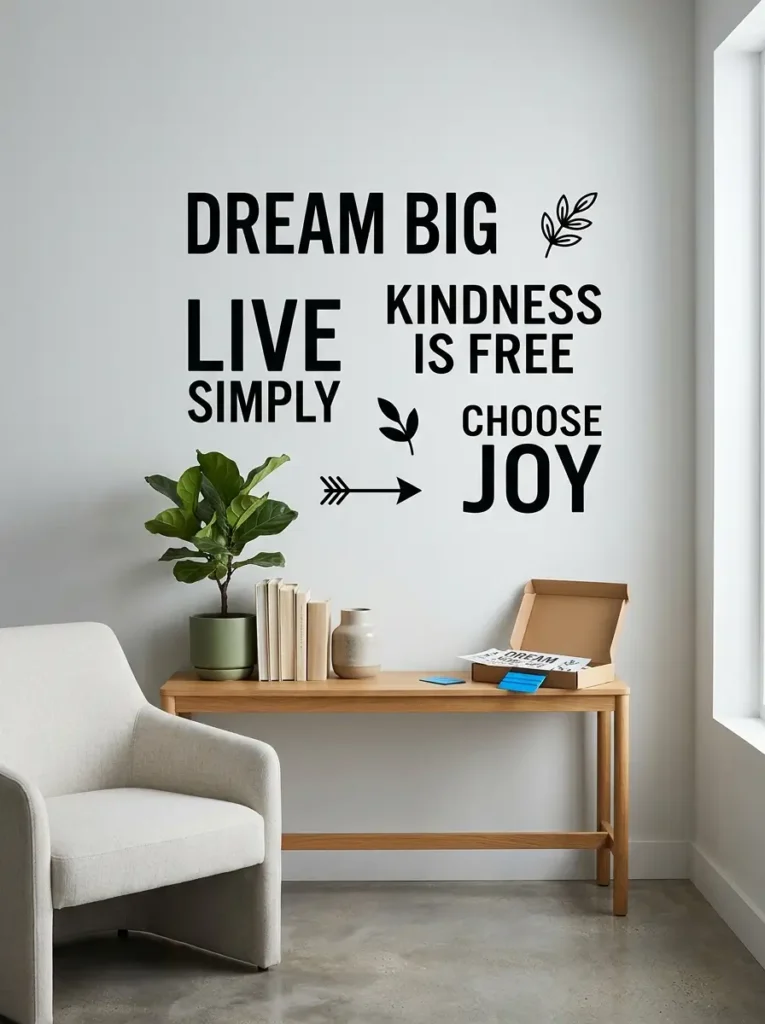
Quote decals can work well in a college apartment, but only if you use them carefully. Large random phrases can look cluttered, especially in a small living room or bedroom. The trick is to choose one short quote and place it where it has a purpose.
This idea works because text can add personality without needing a lot of objects. It is also affordable and easy to remove when you move out. A small phrase above a desk, entryway table, or reading corner can make the space feel more personal.
Choose simple wording and clean fonts. Script fonts can be pretty, but they often look messy from far away. A thin serif or modern sans-serif font usually feels more grown-up. Black, charcoal, soft brown, and muted green decals work better than shiny metallic colors in most college apartments.
This idea is best for students who want personal decor but do not want a full gallery wall. It also suits minimalist rooms where one wall detail is enough.
For placement, avoid putting quote decals too close to the ceiling. They should relate to furniture below them. Above a desk, leave about 8 to 12 inches between the desktop items and the bottom of the decal. Above a bed, place it high enough that pillows do not cover it, but low enough that it feels connected to the headboard area.
Good examples include a short study reminder near a desk, a welcoming phrase near the entry, or a simple line above a reading chair. Avoid using too many decals in different fonts. One strong quote looks cleaner than five scattered phrases.
Try Peel Stick Frames for a No Nail Gallery Wall
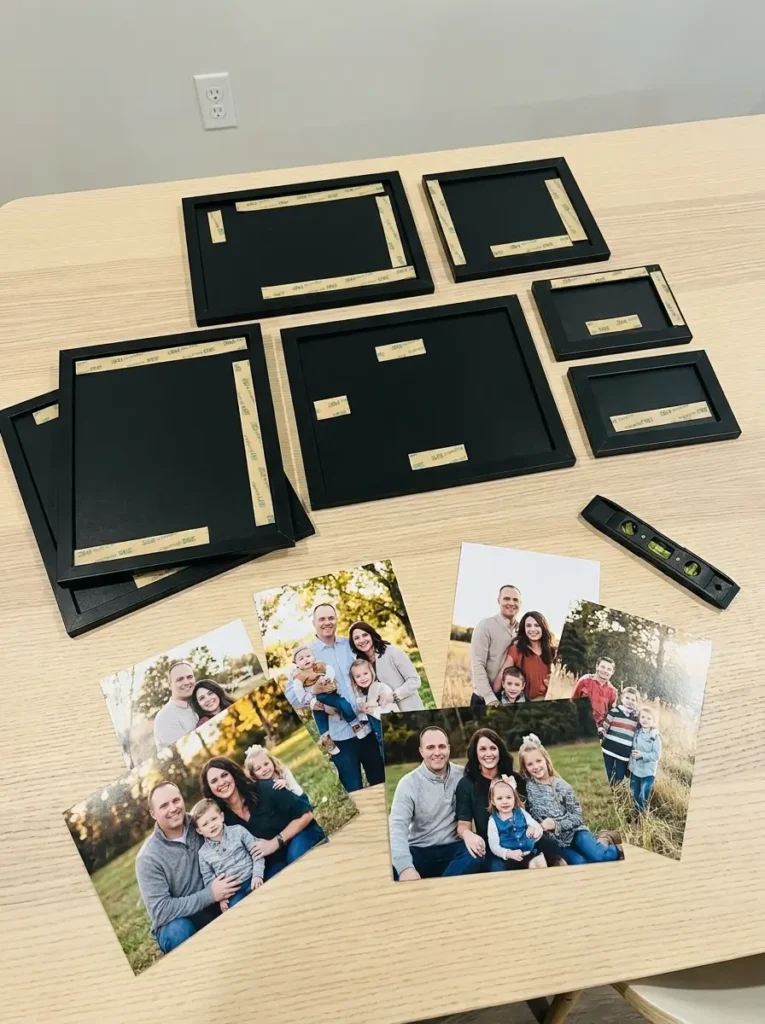
A gallery wall can make a college apartment feel personal, but nails are often a problem. Peel stick frames solve that issue. These are lightweight frames or frame-style decals that attach with removable adhesive. You can use them for prints, postcards, photos, or small art cards.
This works because it gives structure to your memories and prints. Instead of taping random photos across the wall, you create a planned layout. That makes the room feel more polished while still showing your personality.
This idea is best for students who have photos from home, travel pictures, concert tickets, postcards, or printable art. It is also good for shared apartments because each roommate can add a small section without changing the whole room.
Start with a simple grid. Six frames in two rows of three can look neat above a sofa, bed, or dining nook. For a relaxed look, use different frame sizes but keep one thing consistent, such as all black frames or all white borders.
If you want a budget-friendly option, print photos in black and white. This helps mixed images look connected. For example, family photos, campus photos, and city shots can look more stylish when printed in the same tone.
Measure before sticking anything to the wall. Cut paper templates the same size as your frames and tape them lightly first. Step back and check the layout from across the room. This small step prevents uneven spacing and saves your adhesive strips.
Avoid placing gallery walls where backpacks, chairs, or doors will hit them. Even removable frames can fall if they get bumped every day.
Use Peel Stick Wallpaper Panels as Large Art
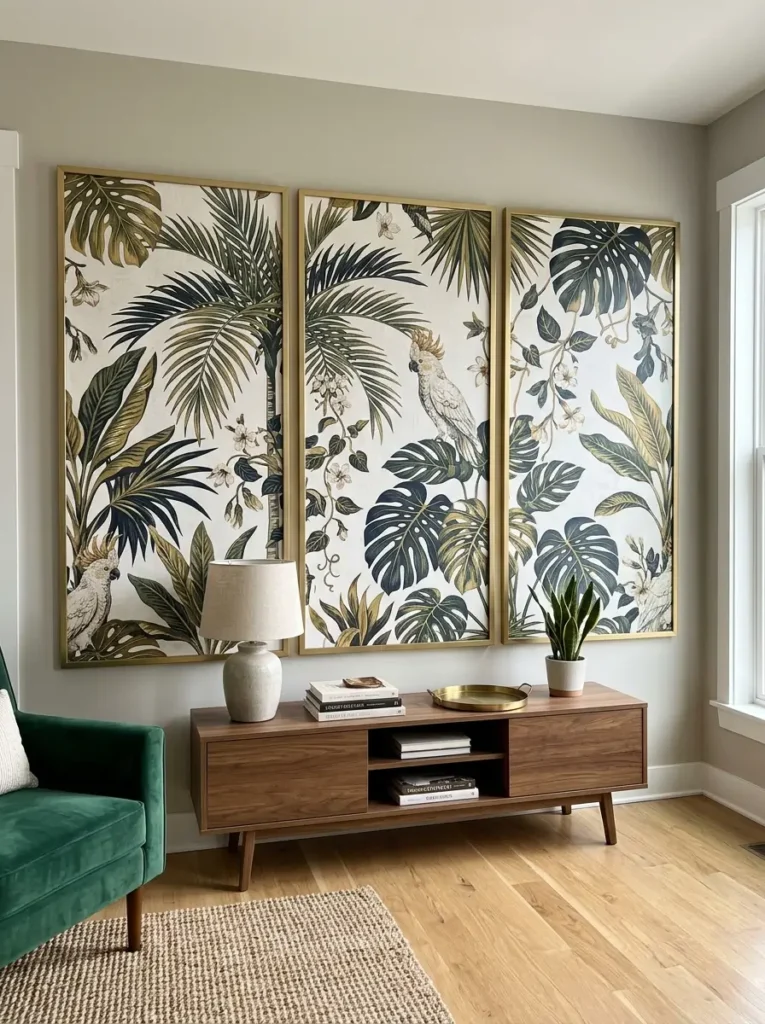
You do not need to cover a whole wall with peel stick wallpaper. You can use one or two panels as oversized wall art. This is cheaper, easier to remove, and less risky for beginners.
This idea works because large art fills empty space faster than many small pieces. It also gives a room a strong design feature without requiring a full wallpaper project. If your apartment has one awkward blank wall, this can be a smart solution.
Choose a peel stick wallpaper design that looks like artwork. Abstract shapes, soft landscape patterns, botanical prints, vintage-inspired florals, or simple line art can all work. Apply the panel inside a peel stick frame border or leave clean edges for a modern look.
This idea is best for students who want a statement wall but do not want to spend money on a large canvas. It is also useful for renters who are nervous about covering a whole wall.
For example, place one vertical wallpaper panel above a small dining table. Add two chairs, a round rug, and a pendant-style plug-in light nearby. The wall panel will make the dining area feel planned, even if the furniture is basic.
In a bedroom, place two matching wallpaper panels above the bed instead of a headboard. Choose a design that is wider than your pillow arrangement but not wider than the bed frame. This keeps the wall balanced.
The main mistake to avoid is choosing a very tiny pattern for a large panel. Small patterns can look like wrapping paper from a distance. Medium or large-scale prints usually look better as wall art.
Add Peel Stick Tile Around a Kitchen Nook
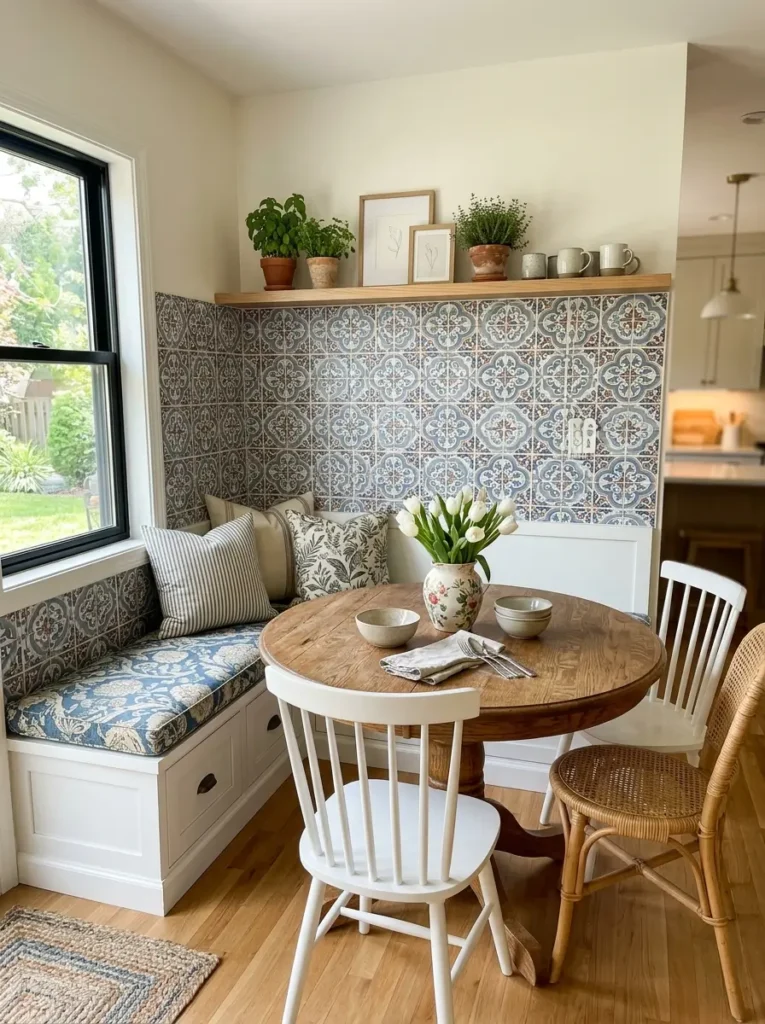
College apartment kitchens are often plain, old, or poorly lit. Peel stick tile can make a small kitchen wall look cleaner and more finished. You can use it behind a coffee station, above a small cart, or around a breakfast nook.
This works because kitchen walls need texture and easy cleaning. Peel stick tile gives the look of a backsplash without construction. It can also hide minor visual flaws, like dull paint or uneven color, if the surface is suitable.
This idea is best for students who cook often, share a kitchen, or want a better-looking coffee area. It is also great for apartments with open kitchens that connect to the living room.
Choose simple tile styles. White subway tile, cream zellige-style tile, pale gray stone, or soft green square tile can look clean and renter-friendly. Avoid very glossy fake marble with strong veining if the rest of the kitchen is simple because it can look too harsh.
Use peel stick tile only on smooth, clean walls. Do not apply it too close to direct heat, open flames, or damaged paint. Always check the product instructions before placing it near a stove.
For a coffee corner, place peel stick tile behind a small rolling cart or narrow cabinet. Add mugs, a tray, and a warm under-cabinet light strip if possible. A 2700K to 3000K light temperature makes the area feel warmer than cool white lighting.
Keep the design limited to one section. Covering every kitchen wall with peel stick tile can look heavy and may be harder to remove later.
Style the Bed Wall With a Peel Stick Headboard
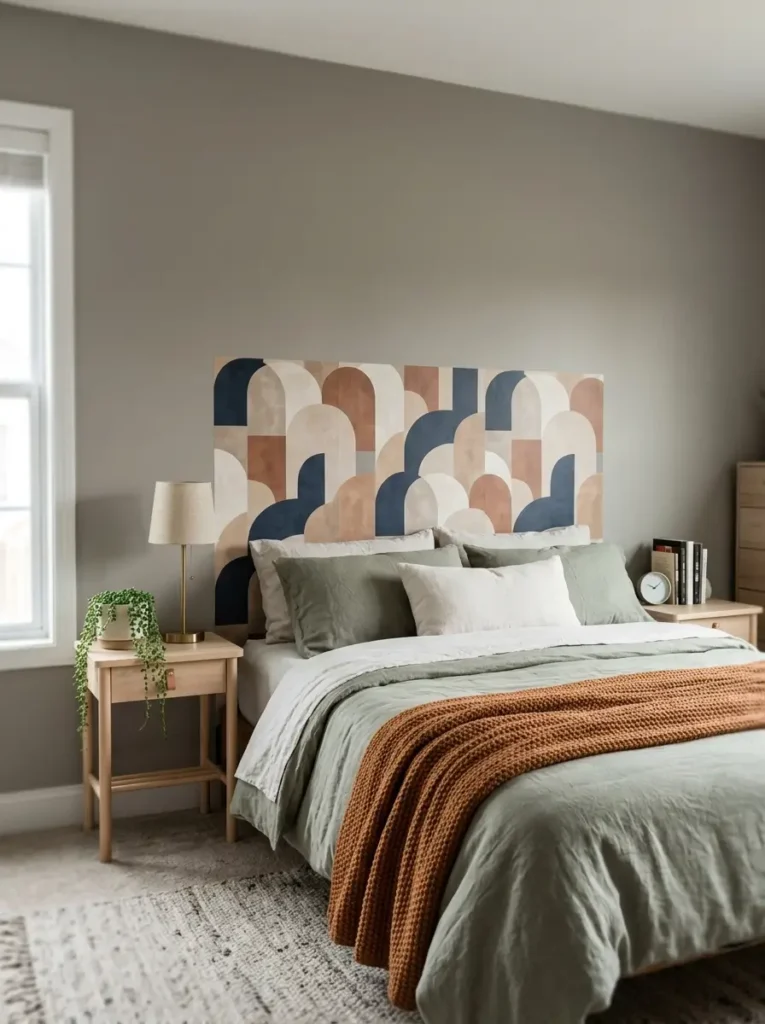
A peel stick headboard is a smart solution when you do not have space or money for a real headboard. It can be a decal, wallpaper shape, arch, half-wall panel, or wood-look peel stick design placed behind the bed.
This idea works because the bed is usually the largest piece in a college bedroom. When the wall behind it looks finished, the whole room feels more complete. It also helps stop the bed from looking like it was pushed against a blank wall without thought.
This idea is best for students in small bedrooms, studio apartments, or shared spaces where bulky furniture is not practical. It is also good for anyone who moves often because peel stick decor is easier to transport than a headboard.
Choose a shape that matches your bedding. A rounded arch works well with soft bedding and neutral colors. A rectangular peel stick panel looks cleaner with modern bedding. A wood-look design can warm up a room with white walls and metal bed frames.
For a twin bed, keep the design close to the bed width. For a full or queen bed, you can extend it a few inches wider on each side. This makes the bed look grounded.
Pair the peel stick headboard with two wall-mounted battery sconces or clip-on lights if drilling is not allowed. Choose warm bulbs around 2700K for evening reading. Avoid cool blue bulbs near the bed because they can feel harsh and less relaxing.
A common mistake is using a design that is too short. The headboard decal should rise high enough above the pillows to be visible when the bed is made.
Use Peel Stick Borders to Frame a Small Dining Area
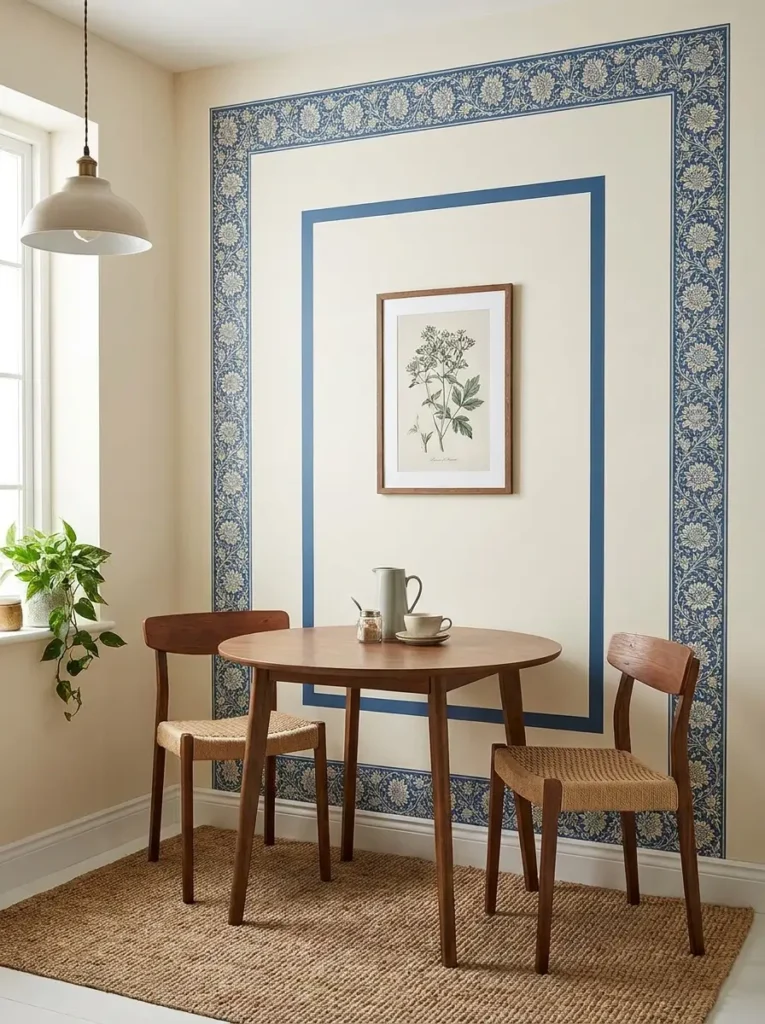
Many college apartments do not have a real dining room. You may only have a small table near the kitchen or a corner by the window. Peel stick borders can help define that area without taking up floor space.
This works because borders act like a visual frame. They tell the eye that this part of the wall has a separate purpose. It is a simple decorating move, but it can make a small eating area feel more intentional.
This idea is best for students who eat at home, share meals with roommates, or want a better setup than eating on the sofa every day.
You can use a thin peel stick border around the wall behind the table. Try a simple line border, checker pattern, botanical trim, or soft stripe. Keep the border about 30 to 36 inches above the floor if you want a chair-rail effect. This height works well with small tables and does not crowd the wall.
For a modern look, create a rectangle behind the table using peel stick trim. Inside the rectangle, add one print, a small mirror, or a narrow shelf. This gives the dining nook a finished look without needing a lot of decor.
Choose colors that connect with nearby items. If your table is light wood, a warm beige or soft brown border works well. If your chairs are black, a black line border can look clean and simple.
Avoid using thick borders in very small corners. Heavy borders can make the wall feel shorter. Thin borders usually work better in apartments.
Add Removable Botanical Decals for a Fresh Wall
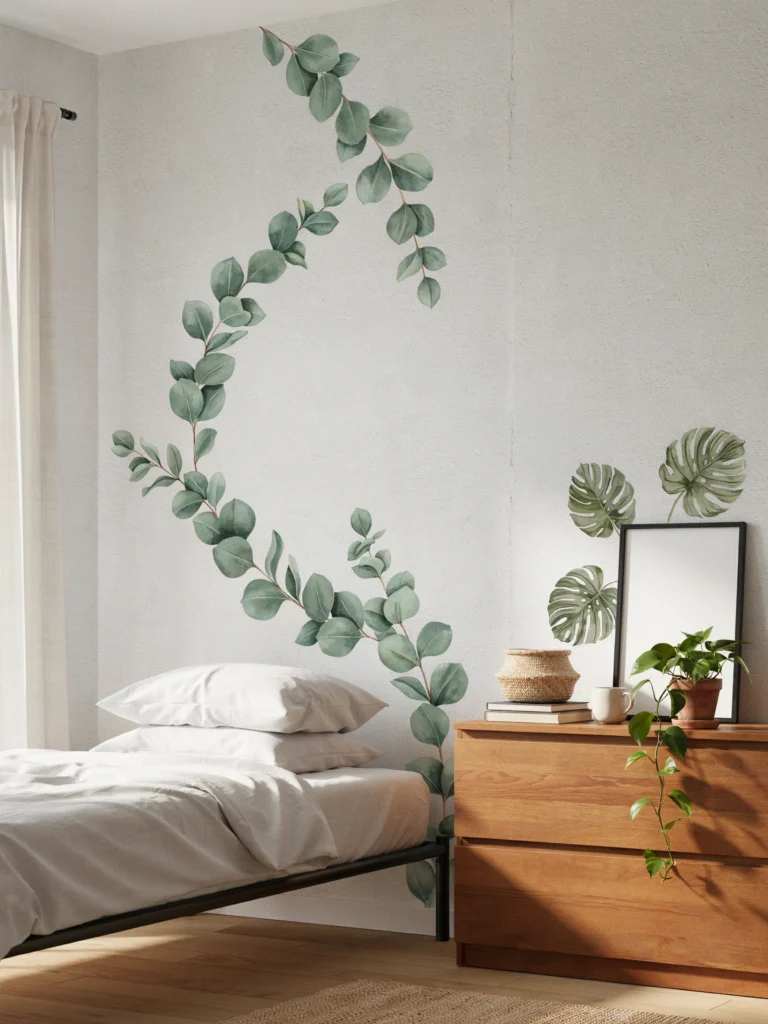
Botanical decals are a good choice if you want natural style but cannot keep many plants alive. They can soften plain walls, especially in rooms with hard furniture, metal bed frames, or basic rental flooring.
This idea works because plant shapes add movement and softness. They also bring a natural element into rooms that may not get much sunlight. Unlike real plants, decals do not need watering, space, or care.
This idea is best for beginners, busy students, plant lovers, or anyone with a dark apartment. It also works in bathrooms if the wall surface is suitable and the room is not too humid for the adhesive.
Use botanical decals in controlled areas. A vine-style decal can climb beside a desk, around a mirror, or above a bed. Leaf decals can frame a reading corner or fill the empty space above a dresser. Keep the design focused instead of spreading leaves across every wall.
For a calm look, choose olive, sage, eucalyptus, or muted green tones. These colors pair well with white bedding, wood furniture, black frames, and woven baskets. Avoid neon green decals because they can make the room look childish.
You can mix decals with one or two real plants. For example, place a pothos on a shelf and add small vine decals behind it. This makes the plant area look fuller without buying more plants.
The main mistake is using too many tiny leaf stickers. Large, spaced decals look more grown-up and are easier to remove.
Create a Peel Stick Photo Wall With Removable Tiles
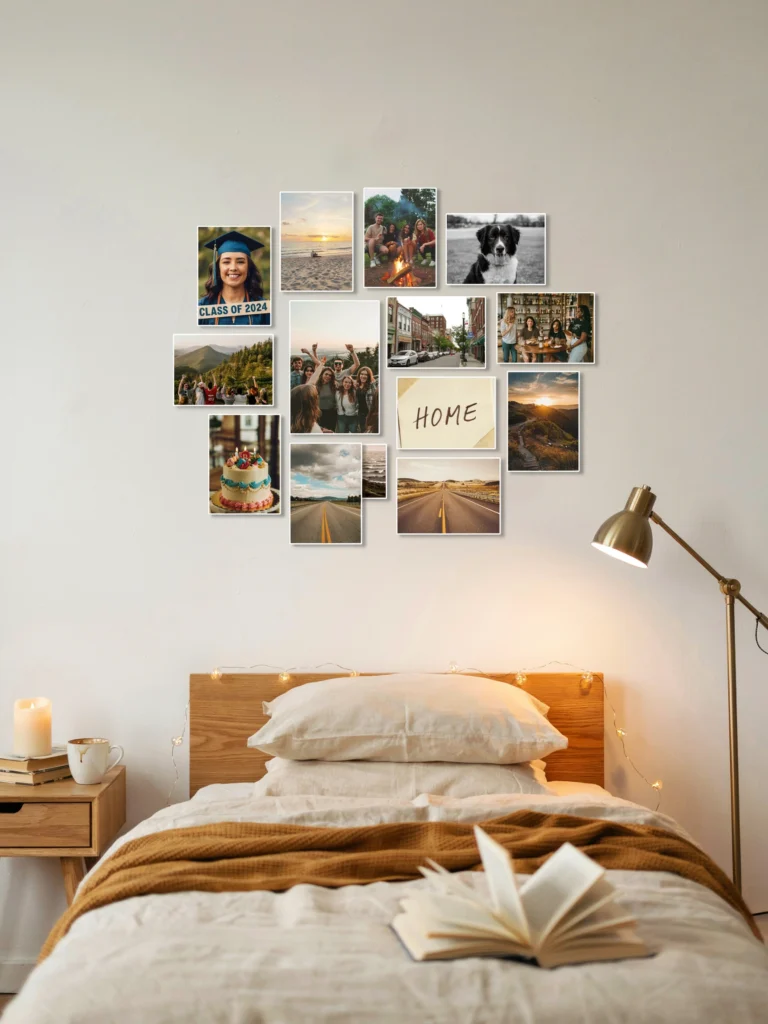
Photo walls are popular in student apartments, but tape can damage paint or leave marks. Removable photo tiles give a cleaner option. They are usually lightweight and can be arranged in grids, rows, or casual clusters.
This works because photos make a space feel personal. In a college apartment, you may be far from family, friends, or your hometown. A well-arranged photo wall can make the room feel familiar without looking messy.
This idea is best for students who want memory-based decor, especially in bedrooms, hallways, and desk areas. It also works for roommates who want to create a shared wall with group photos.
For a neat look, choose photos with similar colors. You can print all photos in warm tones, black and white, or soft neutral edits. This helps the wall feel cohesive even if the images are from different places.
Place photo tiles above a bed, near a study corner, or along a hallway. Keep spacing consistent. One to two inches between tiles usually looks clean. Use a measuring tape instead of guessing.
If you want a budget version, use removable poster putty or wall-safe strips with lightweight photo prints. Add a peel stick border around the group to make it look like one large piece.
Avoid covering a whole wall from floor to ceiling unless the room is very simple. Too many photos can make a small apartment feel visually crowded. Leave some blank space so the wall can breathe.
Use Peel Stick Murals for a Reading Corner
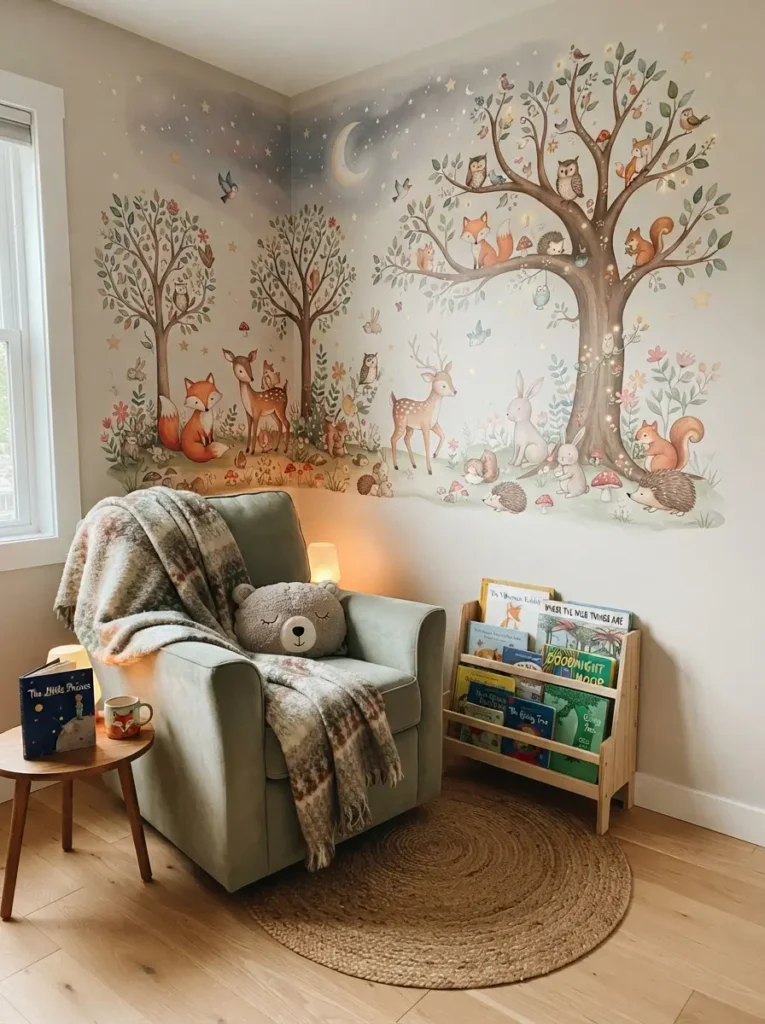
A peel stick mural can turn an unused corner into a reading or relaxing spot. Murals are larger than decals and often show landscapes, abstract shapes, city scenes, or soft patterns. In a college apartment, a mural can help one corner feel special without changing the whole room.
This works because murals create a strong mood in one place. They are especially useful when your furniture is simple. A small chair, floor pillow, or bean bag can look more styled when placed in front of a mural.
This idea is best for students who read, journal, listen to music, or want a quiet corner away from the desk and bed.
Choose a mural with colors that do not fight the rest of the room. Soft mountains, simple line landscapes, warm abstract shapes, or muted floral murals can work well. If your room is small, avoid dark murals on every wall. A dark mural can work in one corner, but balance it with light bedding or curtains.
Add one comfortable seat, a small table, and a floor lamp. A slim floor lamp with a warm 2700K bulb is better than a bright overhead light. Place the lamp slightly behind the chair so it lights your book without shining directly into your eyes.
Before buying a mural, measure the wall carefully. Many murals come in panels, and cutting around outlets or corners can be tricky. Beginners may prefer smaller murals that cover only the top half of the wall.
Add Peel Stick Checker board or Stripe Details
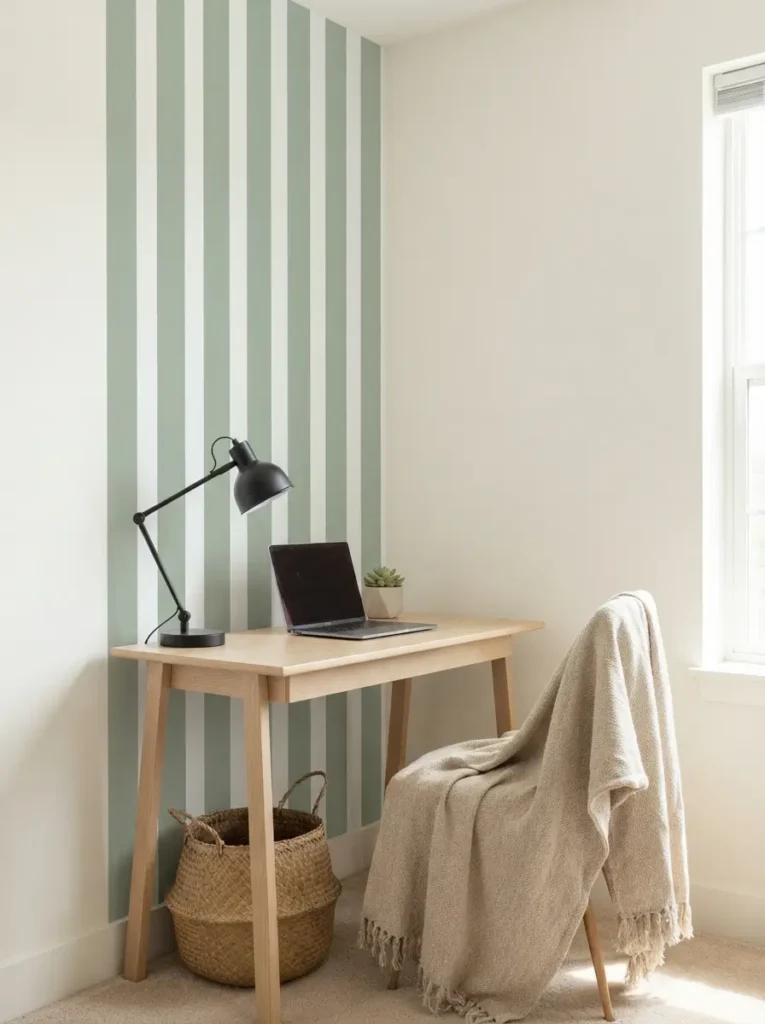
Checkerboard and stripe designs can add energy without needing a lot of color. They work especially well in college apartments because they can make basic furniture look more current and styled.
This idea works because simple patterns are easy to repeat. You can use stripes or checkerboard details on one wall section, behind shelves, around a mirror, or above a dresser. The pattern adds movement, but it stays controlled if you use it in small amounts.
This idea is best for students who like bold decor but still want a rental-friendly setup. It also works well in shared living rooms because the pattern feels fun without being too personal.
For a softer look, try cream and beige checkerboard, sage and white stripes, or dusty blue and ivory. For a stronger look, use black and white, but keep the rest of the room simple. Black and white patterns can feel sharp, so pair them with wood, woven baskets, or neutral textiles.
Vertical stripes can make a low ceiling feel taller. Horizontal stripes can make a narrow wall feel wider. Use this trick in small bedrooms, entry areas, or desk corners.
A common mistake is mixing too many patterns. If you use checkerboard peel stick art, avoid adding several busy rugs, pillows, and posters nearby. Let one pattern lead the room.
Decorate Around a Mirror With Peel Stick Art
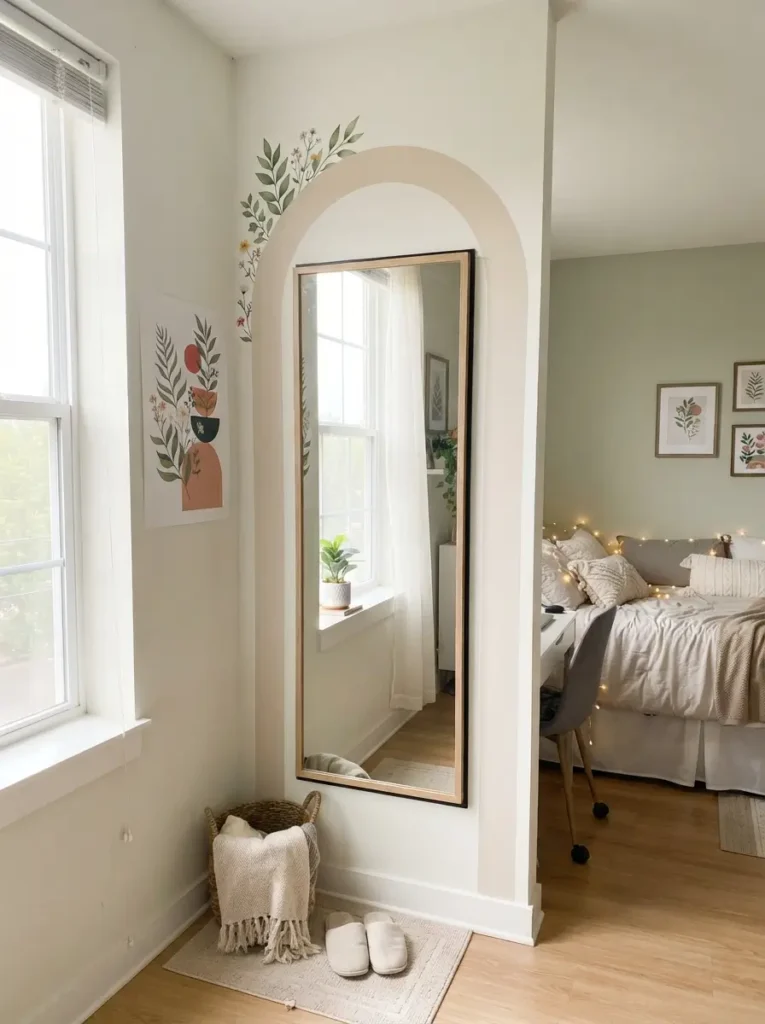
Mirrors are useful in college apartments because they reflect light and make small rooms feel larger. Peel stick art can make a simple mirror look more intentional. You can frame it with decals, borders, arches, or small removable shapes.
This works because the mirror becomes part of the design instead of just a practical item. It also helps brighten rooms with limited windows. When light bounces off the mirror, nearby peel stick art adds color and shape to the reflection.
This idea is best for students with small bedrooms, dark living rooms, or narrow entryways. It is also helpful when you need a full-length mirror but do not want the wall to look plain.
Place a mirror across from a window if possible. Then use peel stick border strips around the mirror to create a frame effect. A thin black border can look modern. A soft wood-look border can warm up a room. Botanical decals around the top corner can soften the mirror without covering too much wall.
For a full-length mirror, add a peel stick arch behind it. The arch should be wider than the mirror by a few inches. This creates a layered look and makes the mirror feel built into the wall.
Avoid placing decals directly on the mirror unless they are made for glass and easy to remove. Wall decals usually look better around the mirror, not across the reflective surface.
Use Peel Stick Art to Style Open Shelves
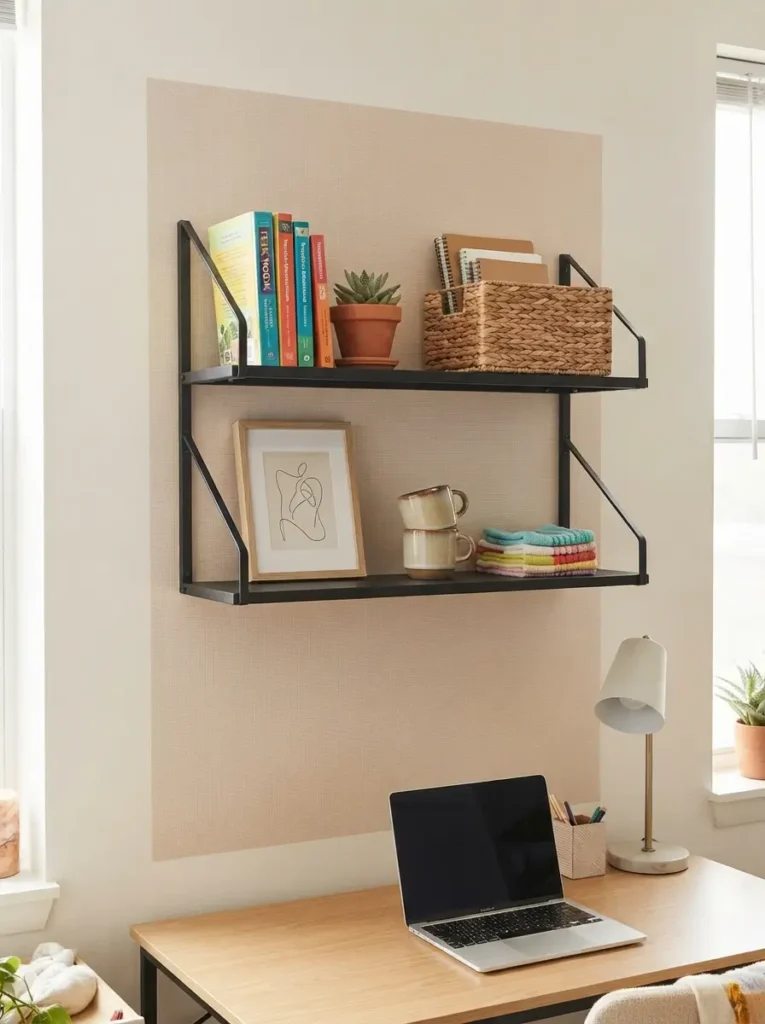
Open shelves can look messy in a college apartment if they hold random items. Peel stick art behind shelves can make the display look more planned. You can use removable wallpaper, simple decals, or color panels behind the shelf area.
This idea works because the wall behind shelves becomes a backdrop. It adds contrast and helps your books, baskets, plants, and decor stand out. It can also make cheap shelves look more custom.
This idea is best for students who need storage but still want the room to look styled. It works well above desks, beside beds, in kitchens, or near entryways.
Choose a simple background. A subtle stripe, small grid, soft solid color, or light texture works better than a very busy print. Your shelf already has objects on it, so the wall behind it should not compete too much.
For example, use a warm beige peel stick panel behind black metal shelves. Add books, a small plant, a storage box, and one framed print. The panel connects the shelf to the wall and stops it from looking like temporary storage.
In a kitchen, use peel stick tile behind a small shelf for mugs and coffee supplies. In a bedroom, use a soft color panel behind a shelf for books and skincare items.
The main mistake is overfilling the shelves. Leave some open space. Group items in threes, mix tall and short pieces, and use baskets to hide clutter.
Build a Removable Wall Calendar or Command Center
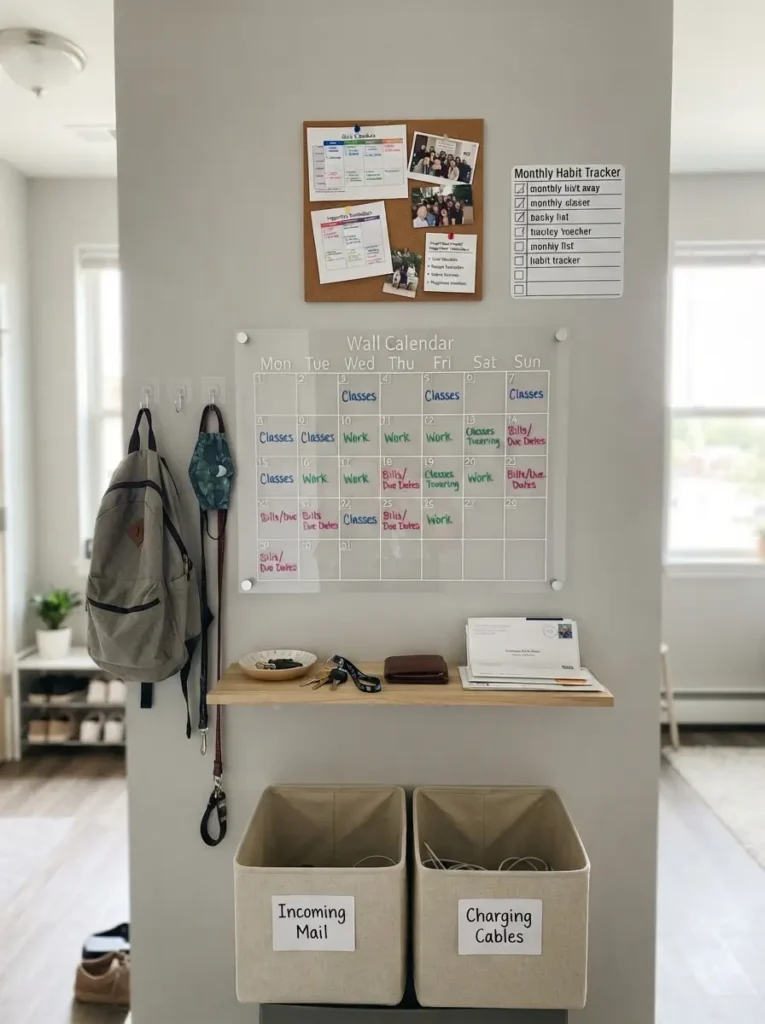
A college apartment needs more than pretty decor. You also need a place for schedules, keys, reminders, bills, and class deadlines. A removable wall calendar or command center can be both useful and attractive.
This works because it turns wall space into an organization tool. Peel stick dry erase calendars, chalkboard decals, and adhesive memo boards help keep daily life visible. This can reduce clutter on desks and counters.
This idea is best for students with busy class schedules, roommates, part-time jobs, or shared responsibilities. It works especially well near the entry, desk, or kitchen.
Choose a peel stick calendar in a clean design. White, black, clear acrylic-style, or soft neutral calendars are easier to style than bright multicolor boards. Place it at eye level so you actually use it.
Add small removable hooks nearby for keys, lanyards, or masks. Use a narrow shelf or basket below for mail and chargers if space allows. Keep the command center compact. A good size for most apartments is around 24 to 36 inches wide.
For shared apartments, divide the calendar by person or category. Use one color for classes, one for work, and one for bills or cleaning tasks. This keeps the wall useful instead of decorative only.
Avoid placing the command center behind a door or in a hidden corner. If you do not see it daily, you probably will not use it.
Common Mistakes to Avoid
One common mistake is decorating every wall at once. College apartments are usually small, so too much peel stick art can make the space feel crowded. Start with one main wall, such as the bed wall, sofa wall, or desk area. Then add smaller details if the room still feels empty.
Another mistake is choosing peel stick art before measuring the wall. A design that looks large online may feel too small above a sofa or bed. Measure the width of your furniture first. Wall decor usually looks better when it covers about two-thirds of the furniture width below it.
Many beginners also ignore wall texture. Peel stick art works best on clean, smooth walls. If your apartment has rough texture, peeling paint, or moisture issues, the adhesive may not hold well. Test a small piece first and remove it after a day to check for damage.
Do not mix too many strong patterns in one room. A floral mural, checkerboard rug, striped curtains, and colorful posters can fight each other. Choose one main pattern and keep the rest simpler. This makes the space easier to live in every day.
Another issue is using cool lighting with warm decor. If you choose beige, terracotta, sage, or wood tones, harsh cool bulbs can make the room feel flat. Warm white bulbs between 2700K and 3000K usually make college apartment wall decor look softer and more inviting.
Avoid placing decals too high. Wall decor should connect with furniture. Art above a sofa, bed, or desk should not float close to the ceiling. Leave enough space above the furniture, but keep the decor visually connected to it.
Finally, do not skip removal instructions. Some peel stick products need slow peeling, low heat from a hair dryer, or a specific removal angle. Rushing removal can pull paint, especially in older apartments.
Budget-Friendly Tips
You do not need to decorate the whole apartment at once. Start with the wall you see most often. For many students, that is the bed wall, desk wall, or sofa wall. One well-styled wall can change the feel of the room more than several random small purchases.
Use peel stick art in small sections to save money. Instead of covering a full wall, create a panel above the bed, a frame behind the desk, or a backsplash behind a coffee cart. These smaller areas still look intentional but cost much less.
Print your own art when possible. You can use affordable prints, postcards, magazine pages, or class project artwork inside peel stick frames. Keeping the frame style consistent helps low-cost pieces look more collected.
Shop your apartment before buying anything new. A scarf, tote bag, calendar page, or fabric sample can become wall decor when styled with removable hooks or adhesive strips. This works well for students who want personality without spending more.
Choose colors that match items you already own. If your bedding has beige, green, and white, repeat those colors on the wall. If your rug has blue and cream, choose peel stick art with one of those shades. Repeating colors makes budget decor look more planned.
Share costs with roommates for common areas. A peel stick backsplash, gallery wall, or command center can benefit everyone. Agree on a simple style first so the space does not become a mix of clashing choices.
Wait before buying trendy designs. Some peel stick patterns look fun for one month but feel tiring later. If your budget is tight, choose patterns you can live with for a full school year.
College Apartment Wall Decor Tips
A good college apartment wall decor plan starts with function. Think about how each wall is used. The wall behind your desk should support focus. The wall near your bed should feel calm. The living room wall can handle more personality because it is a social space.
Pick a small color palette before you buy peel stick art. Three main colors are enough for most rooms. For example, you could use warm white, sage green, and light wood. Another simple palette is black, cream, and soft brown. A clear palette helps your room look connected.
Use scale correctly. Small stickers can look lost on large walls. Large decals can overwhelm narrow corners. Match the size of the decor to the furniture below it. A wide sofa needs larger art than a small nightstand.
Balance decorative and practical pieces. A room with only pretty decals may still feel unfinished if it lacks storage and lighting. Pair wall art with shelves, hooks, lamps, mirrors, or calendars when possible.
Think about moving day from the start. Keep product instructions, extra adhesive tabs, and packaging if possible. Take photos of your wall before and after decorating so you can remember what was added.
Leave blank space. Empty wall space is not always a problem. It gives your eyes a place to rest and makes your favorite decor stand out more. This is especially important in shared apartments with many belongings.
Use lighting to support your wall decor. A peel stick mural or gallery wall looks better with nearby light. Floor lamps, table lamps, plug-in sconces, and battery picture lights can all help. Warm light between 2700K and 3000K works well for bedrooms and living rooms, while 3000K to 4000K can work better near desks.
FAQ
Is peel stick art safe for college apartment walls?
Peel stick art can be safe for college apartment walls when used on clean, smooth, properly painted surfaces. Always test a small hidden area first. Leave the test piece for at least 24 hours, then remove it slowly. If paint lifts, choose lighter wall decor such as posters with removable putty or freestanding decor instead.
What is the best wall decor for a small college apartment?
The best wall decor for a small college apartment is decor that adds style without taking up floor space. Peel stick arches, removable wallpaper panels, photo tiles, mirrors, thin shelves, and wall calendars are good options. Choose pieces that also support how you use the room, such as a study wall, bed wall, or entry command center.
How do I make college apartment wall decor look less messy?
Use a clear color palette, repeat shapes, and leave space between items. Avoid mixing too many posters, decals, photos, and patterns on one wall. A simple grid, one large panel, or one accent wall usually looks cleaner than many small pieces spread randomly around the room.
Can I use peel stick wallpaper in a rental kitchen?
You can use peel stick wallpaper or tile in a rental kitchen if the surface is smooth, clean, and suitable for adhesive products. Avoid placing it near direct heat, open flames, or damp damaged areas. For a safer choice, use it behind a coffee station, breakfast nook, or open shelf instead of directly behind a stove.
What colors work best for college apartment wall decor?
Soft neutrals and muted colors usually work best because they are easy to match with budget furniture. Good choices include warm white, beige, sage green, dusty blue, soft gray, clay, olive, and black accents. Bright colors can work too, but use them in smaller areas so the room does not feel overwhelming.
How can I decorate walls without spending much money?
Decorate one main wall first. Use peel stick panels instead of full wallpaper rolls, print your own photos, reuse postcards, add removable hooks, or frame inexpensive art prints. You can also split costs with roommates for shared areas like the living room, kitchen nook, or entry wall.
Conclusion
College apartment wall decor should make your space feel personal, useful, and easy to live in. Peel stick art is one of the best tools for students because it adds color, pattern, and structure without paint or permanent changes.
Start with the area that matters most. You might create a peel stick headboard behind your bed, an arch behind your desk, a small gallery wall above the sofa, or a command center near the door. Each choice should support your daily routine, not just fill a blank wall.
Keep your design simple, measure before you stick anything, and choose colors that match what you already own. With the right peel stick art and a few smart layout choices, even a basic college apartment can feel organized, comfortable, and thoughtfully decorated.