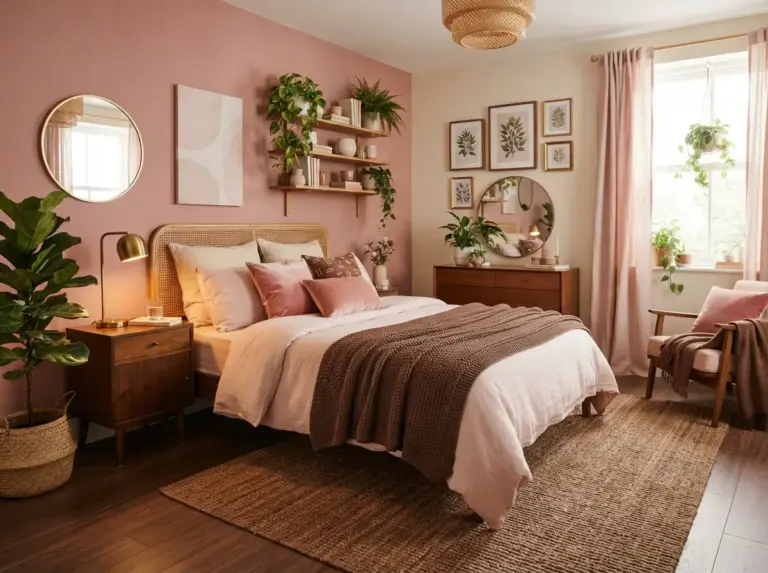


Small living rooms often have corners that feel forgotten. A corner may sit empty beside the sofa, behind an accent chair, near the TV wall, or close to the entryway. In an apartment, every corner matters because the room usually has to do more than one job. It may work as a lounge, reading area, dining spot, work zone, and guest space.
That is where a well-placed mirror can help. An apartment small living room mirror can brighten a dark corner, make the room feel wider, and add style without taking up much floor space. It can also reflect your best decor pieces, such as a plant, lamp, wall art, or soft curtain.
The key is not just hanging any mirror anywhere. Mirror size, shape, frame color, placement, lighting, and reflection all matter. A mirror should support the room, not fight with it. When used well, it can make a small corner feel useful, balanced, and finished.
An apartment small living room mirror works best in a corner when it reflects light, adds height, and supports the room layout. Use tall mirrors for narrow corners, round mirrors above corner tables, arched mirrors for soft lines, and renter-friendly leaning mirrors when you cannot drill into walls.
How can you use mirrors in a small apartment living room corner without making the space feel crowded?
Choose a mirror that fits the corner’s purpose. A tall mirror can stretch the room visually. A round mirror can soften sharp corners. A framed mirror can match your furniture style. Place it where it reflects natural light, a lamp, greenery, or an open part of the room. Avoid placing mirrors where they reflect clutter, cables, or a blank wall.
Use a Tall Leaning Mirror in an Empty Corner
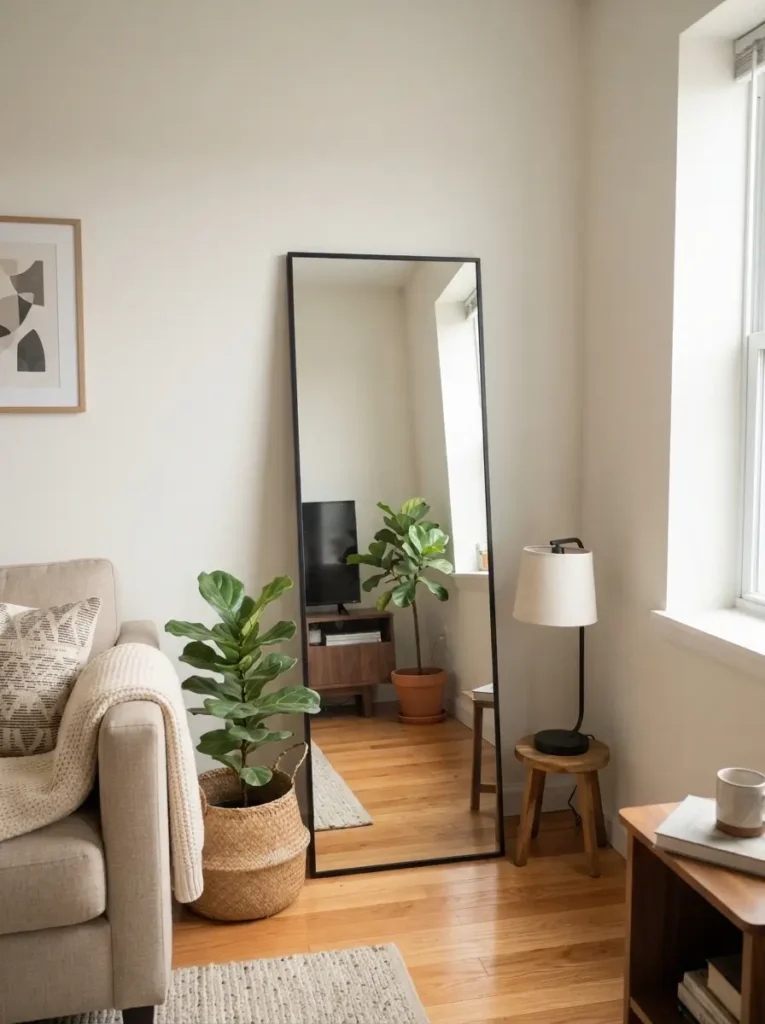
A tall leaning mirror is one of the easiest ways to style a small apartment living room corner. It adds height, gives the eye a vertical line to follow, and makes the corner feel intentional. This works especially well when the corner feels too narrow for shelves, a chair, or a full side table.
The best part is that a leaning mirror is often renter-friendly. You do not always need to drill into the wall, although you should still secure it with anti-tip hardware if possible. Choose a mirror that is tall enough to make an impact, around 60 to 72 inches, but slim enough to avoid blocking walking space.
A black metal frame works well in modern apartments. A light oak or walnut frame feels warmer with beige, cream, or brown furniture. A gold frame can add polish, but keep it simple if the room is already busy. For a softer look, choose an arched leaning mirror instead of a sharp rectangle.
This idea works because it uses vertical space instead of floor space. It also helps bounce light across the room when placed near a window or lamp. If your living room has only one window, place the mirror in the corner opposite or diagonal to that window. This can help move natural light into darker areas.
This tip is best for renters, studio apartment owners, and anyone with a plain corner near a sofa or media wall. Pair the mirror with a small floor plant, a woven basket, or a slim floor lamp. Keep the styling simple so the mirror remains useful rather than decorative clutter.
Hang a Round Mirror Above a Corner Table

A round mirror above a corner table can make a small living room feel softer and more balanced. Corners naturally create hard angles, so a round shape helps break up those lines. This is a smart choice if your living room has boxy furniture, square shelves, or a rectangular sofa.
Use a small console table, nesting table, or narrow accent table below the mirror. The table gives the corner a purpose without taking up too much space. You can place a small lamp, a ceramic bowl, a candle, or a short vase on it. Keep the surface clear because small rooms look crowded quickly.
Choose a mirror size that matches the table width. A 24 to 30 inch round mirror works for most apartment corners. If the table is very narrow, use a 20 to 24 inch mirror. Hang it so the center sits around eye level, usually 57 to 60 inches from the floor.
This apartment small living room mirror idea works because it creates a small visual feature. It also gives your room a clear corner moment without needing heavy furniture. If you use a lamp on the table, the mirror can reflect warm light in the evening.
For lighting, choose a bulb between 2700K and 3000K. This temperature gives a warm, comfortable glow. Avoid very cool white bulbs in a cozy living room because they can make the space feel harsh.
This idea is best for beginners who want a simple decorating formula. Use one round mirror, one small table, one lamp, and one decorative object. That is enough to style the corner without making it look overdone.
Place an Arched Mirror Behind an Accent Chair

An arched mirror behind an accent chair can turn an unused corner into a small reading spot. The arch shape adds softness and height, while the chair gives the mirror a practical setting. This setup works well in apartments where the living room corner feels empty but too small for a full bookshelf.
Choose a slim accent chair with open legs. Avoid bulky recliners or oversized lounge chairs unless your room has enough depth. A chair in beige, olive, rust, charcoal, or soft gray can work well, depending on your color palette. Place the mirror behind the chair, either leaning or mounted on the wall.
This idea works because the mirror adds depth behind the chair. It stops the corner from feeling flat. It can also reflect a window, curtain, plant, or nearby lamp, which makes the reading corner feel brighter.
Add a small floor lamp beside the chair. A warm bulb around 2700K is best for reading and relaxing. If you use a side table, choose one with a small footprint. A round pedestal table or C-shaped table can work better than a square table in a tight corner.
This tip is best for people who want their small living room to feel more useful. It is also good for apartments where the sofa takes up most of the wall space. Instead of forcing another large furniture piece into the room, you create a corner zone with light, seating, and reflection.
Avoid placing the chair too close to the mirror. Leave a little breathing room so the setup does not look squeezed. Also check what the mirror reflects from the sitting angle. You do not want it to show laundry, storage boxes, or messy cables.
Use a Mirror to Brighten a Dark Plant Corner

Plants can make a small living room feel fresh, but corners with poor light can look dull. A mirror can help brighten a plant corner by reflecting daylight or lamp light. This does not replace the right plant care, but it can improve how the corner looks.
Place a mirror behind or beside your plant grouping. A tall rectangular mirror works well behind large plants like a fiddle leaf fig, rubber plant, or bird of paradise. A smaller round mirror works better above a plant stand or narrow shelf. The goal is to reflect the leaves and light, not create visual clutter.
This idea works because mirrors can double the look of greenery. Even a few plants can feel fuller when reflected. It also adds movement and texture because leaves have natural shapes that soften small rooms.
Use plants that match your light level. For lower-light apartment corners, try snake plants, pothos, ZZ plants, or peace lilies. For brighter corners, you can use monstera, ficus, or palms. Place taller plants at the back and smaller plants in front.
This apartment small living room mirror idea is best for plant lovers, renters, and anyone who wants decor that feels alive without filling every surface. It is also budget-friendly because one mirror can make a small plant collection look more layered.
Be careful with the reflection. If the mirror reflects a crowded shelf, an open kitchen mess, or a pile of shoes near the door, it can make the room feel less tidy. Angle the mirror slightly toward the nicest part of the room, such as curtains, greenery, or soft lighting.
Add a Corner Gallery Wall With Small Mirrors

A corner gallery wall can include artwork, photos, and small mirrors. This is a good option when one large mirror feels too heavy for your room. Small mirrors can still reflect light while adding rhythm to the wall.
Use two or three small mirrors mixed with framed prints. Choose one main shape, such as round or rectangular, and repeat it. Too many different shapes can make a small room feel busy. For example, you can use two small round mirrors with three simple art prints in black frames.
This idea works because it spreads reflection across the corner without creating one large shiny surface. It also helps you decorate awkward wall space around a sofa, reading chair, or entry corner. The mirrors add function, while the art adds personality.
Keep the color palette simple. Black, white, beige, wood, brass, or soft gold frames work well in most apartments. If your living room is neutral, add art with muted green, terracotta, navy, or warm brown. These colors feel rich without overwhelming a small wall.
This tip is best for people who already have small frames or want to decorate slowly. It is also renter-friendly if you use removable picture-hanging strips that match the weight of each piece. Always check the product weight limit before hanging glass mirrors.
Start by laying the arrangement on the floor. Keep two to three inches between frames. Do not spread the pieces too far apart, or the corner will look scattered. Keep the gallery tight enough to feel like one designed feature.
Style a Mirror Above a Corner Fireplace or Faux Mantel

Some apartments have a corner fireplace, while others have a small faux mantel for decoration. A mirror above this feature can make the corner feel like the main focal point. This works especially well when your living room does not have a strong architectural feature.
Choose a mirror that matches the mantel width. If the mantel is 36 inches wide, a mirror between 24 and 30 inches usually looks balanced. A round mirror softens the structure, while a rectangular mirror feels more classic. An arched mirror can make the corner feel taller.
This idea works because it draws attention upward. Small living rooms often feel cramped when all decor stays at sofa level. A mirror above a mantel adds height, reflects light, and makes the corner feel more finished.
Decorate the mantel with restraint. Use one lamp or candle holder, one low vase, and maybe one small framed piece. If you add too many items, the mirror will reflect the clutter and double the mess visually.
This idea is best for renters who use electric fireplaces, small-space decorators who love cozy details, and anyone with an empty corner that needs structure. A faux mantel can also hide a plain wall and create a styled area without built-in furniture.
For safety, do not place a heavy mirror on an unstable mantel. If you are renting, use wall-safe mounting options when possible. If you lean the mirror, make sure it cannot slide. Mirrors look light, but glass can be dangerous if it falls.
Use a Slim Mirror Beside the TV Wall

A TV wall can look heavy in a small apartment, especially when the screen is large and the wall is dark. A slim mirror placed in the nearby corner can balance the TV without adding another bulky object. This works well when the TV sits on a console and one side feels empty.
Choose a narrow mirror with a simple frame. A black frame can connect with the TV screen. A wood frame can soften the media area. A frameless mirror can work in a modern room, but it may look too plain if the rest of the decor is warm and textured.
This apartment small living room mirror idea works because it breaks up the flatness around the TV wall. It can also reflect a lamp or window, which helps the media corner feel less dark. The mirror should support the layout, not compete with the screen.
Place the mirror slightly away from the TV so it does not reflect the screen directly. Reflections from the TV can be distracting, especially at night. If the mirror catches glare from the screen, move it to the side or angle it toward the sofa area.
This idea is best for small apartments where the TV dominates the living room. It also works for people who want a cleaner media wall without adding more shelves. Pair the mirror with a plant, a basket, or a small lamp on the console.
Keep cable management in mind. A mirror that reflects hanging cords, routers, or gaming devices will make the wall look messy. Use cable covers, baskets, or closed storage before adding the mirror.
Place a Mirror Opposite a Window Corner

If your small living room has a window near a corner, place a mirror opposite or diagonal to it. This can help move natural light around the room. It is one of the most practical mirror placements for apartments because many units have limited windows.
A medium or tall mirror works best for this setup. The mirror should catch light, but it does not need to sit directly across from the window. Sometimes a diagonal angle looks better because it reflects light without causing strong glare.
This idea works because it uses the room’s existing daylight. It can make a shaded corner feel brighter during the day. It also helps the living room feel more open, especially if the mirror reflects curtains, sky, trees, or another bright wall.
Use light-colored curtains to support the effect. White, ivory, linen, or soft beige curtains reflect more light than dark heavy panels. If you need privacy, try sheer curtains layered with simple blackout panels. Hang the curtain rod wider than the window so the fabric does not block natural light.
This tip is best for apartments with one main window, north-facing rooms, or living rooms that feel dull during the day. It is also a budget-friendly way to improve brightness without buying extra lamps.
Avoid placing the mirror where it creates harsh sun glare. Direct glare can make the room uncomfortable and may shine into your eyes while sitting on the sofa. Test the mirror during different times of day before final mounting.
Use Mirrored Corner Shelves Carefully
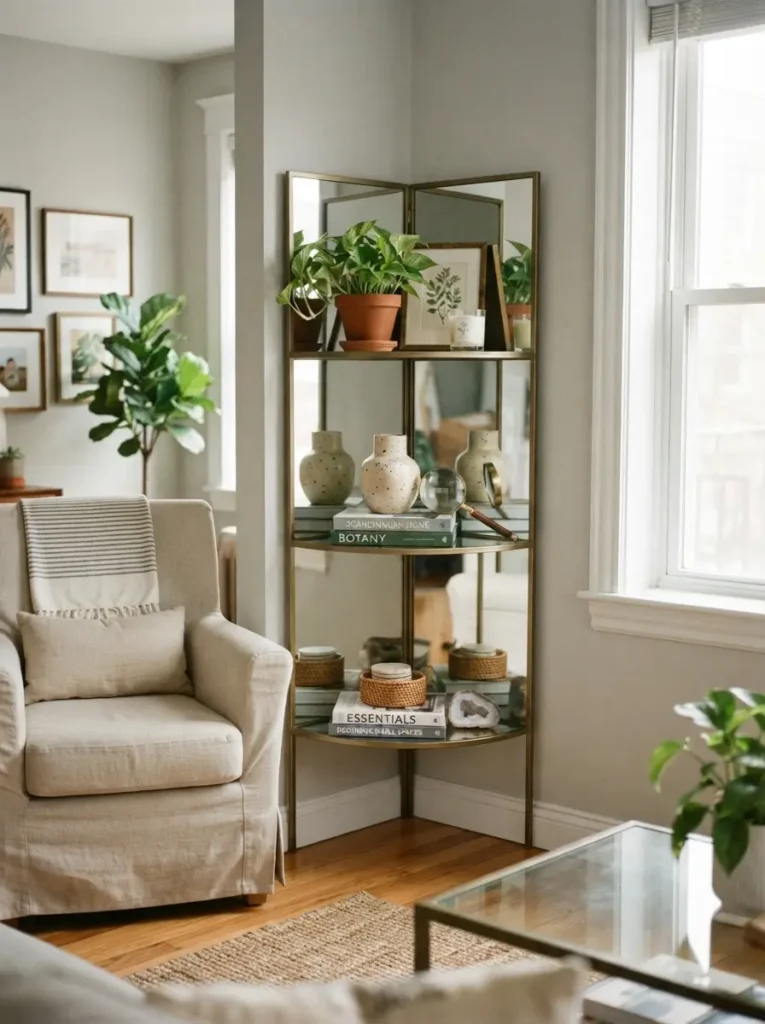
Mirrored shelves can look stylish, but they need careful styling in a small apartment. Too much reflection and too many objects can make the room feel crowded. When used well, a mirrored corner shelf can add light and storage at the same time.
Choose a slim shelf unit with mirror backing or mirrored details. Avoid large, shiny units if your room already has glossy surfaces, glass tables, or metallic decor. A small shelf with two or three tiers is enough for most living room corners.
This idea works because it combines function and reflection. You can use the shelves for books, a small plant, a lamp, or a few decorative pieces. The mirror backing adds depth behind the objects, making the corner feel layered.
Style the shelf with a simple rule. Use one practical item, one natural item, and one decorative item per shelf. For example, place two books, a small pothos plant, and a ceramic bowl. Leave some empty space so the mirror can reflect light.
This apartment small living room mirror idea is best for people who need extra storage but still want the room to feel open. It works well beside a sofa, near an entry corner, or next to a reading chair.
The common mistake is overfilling the shelves. Mirrored backing makes every object feel doubled. If you place ten items on the shelf, it may look like twenty. Keep it edited and practical.
Hang a Mirror Above a Corner Bench
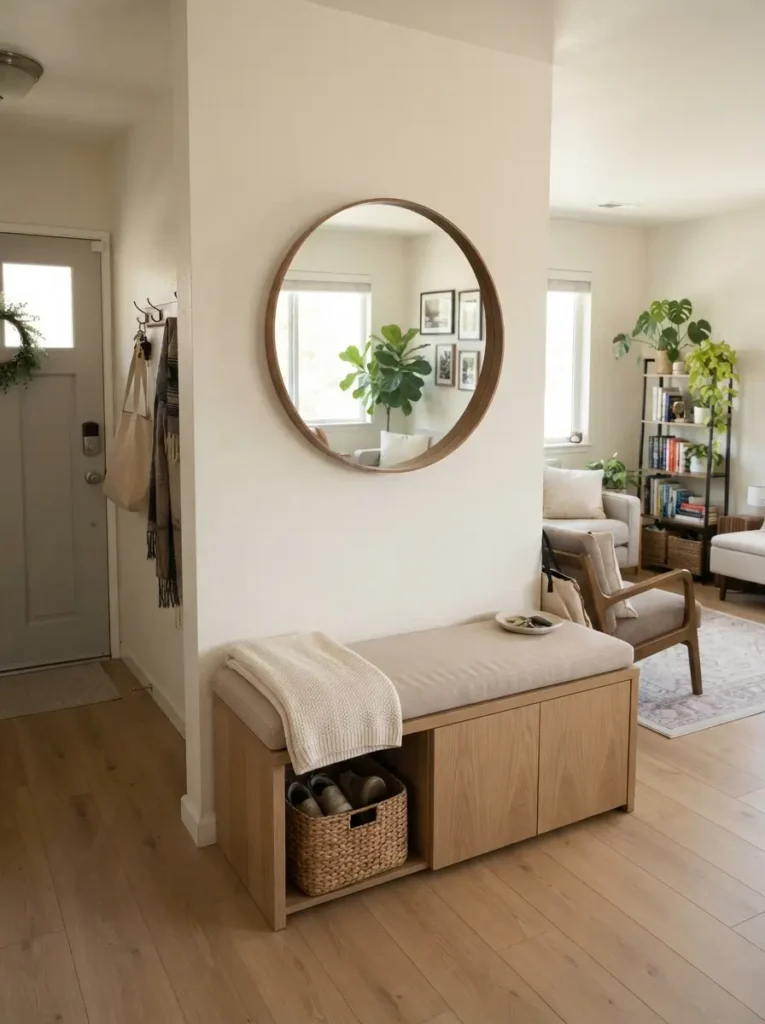
A corner bench can offer seating and storage in a small apartment living room. When you hang a mirror above it, the corner feels more open and useful. This idea works well near an entry-living room combo, where the living space starts right after the front door.
Use a bench with hidden storage if you need a place for blankets, shoes, bags, or extra pillows. Choose a slim design with a cushioned top. Light wood, white, beige, or soft gray finishes help the bench blend into a small room.
A rectangular mirror above the bench gives a clean look. A round mirror feels softer and friendlier near an entry area. Hang it high enough so people can sit without hitting their heads, but low enough to feel connected to the bench.
This idea works because it gives the corner a clear job. It can become a drop zone, extra seat, or small reading spot. The mirror adds light and helps the area feel less boxed in.
This tip is best for studio apartments, open-plan rentals, and small homes without a separate entryway. It is also useful for families or shared apartments where storage matters.
Keep the bench styling simple. Use one cushion, one folded throw, or one basket underneath. Too many pillows can make the bench hard to use. A mirror should make the corner feel lighter, not like a display area you cannot touch.
Try a Frameless Mirror for a Clean Corner
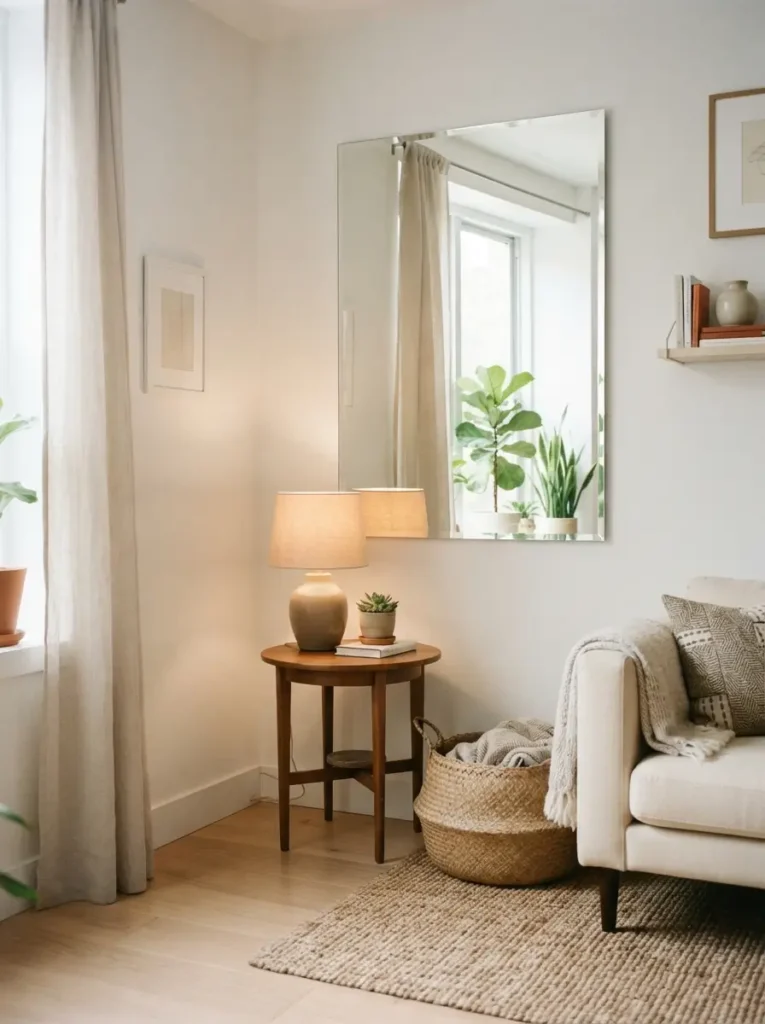
A frameless mirror can work well in a very small living room because it adds reflection without adding visual weight. It is especially useful when your corner already has furniture, art, or shelves nearby. Without a heavy frame, the mirror blends into the wall.
Choose a simple rectangular, oval, or arched frameless mirror. Avoid unusual shapes unless they match the rest of your room. In a small apartment, clean lines usually age better than trendy shapes.
This idea works because it keeps the corner light. A thick frame can sometimes make a small wall feel busy, especially if the room already has dark furniture or patterned textiles. A frameless mirror gives you the benefit of reflection without another strong design element.
Use this mirror near a narrow corner, beside a window, or above a small table. It can also work beside a sofa if the wall space is limited. If the room has white, cream, or pale gray walls, a frameless mirror can almost disappear while still adding depth.
This tip is best for minimal apartments, very small rooms, and renters who prefer simple decor. It also suits people who change their style often because a frameless mirror works with many color schemes.
The main issue is that frameless mirrors can feel cold if the room lacks texture. Balance it with a woven basket, warm lamp, linen curtains, wood table, or soft rug. The mirror should feel clean, not sterile.
Use a Vintage Mirror to Add Character

A vintage-style mirror can bring charm to a plain apartment corner. Many rentals have basic white walls, simple flooring, and standard lighting. A mirror with an aged brass, carved wood, or antique black frame can make the corner feel more personal.
Use this idea carefully in a small living room. One vintage mirror can look beautiful, but too many ornate pieces may feel heavy. Let the mirror be the main character in that corner. Keep nearby furniture simple.
This idea works because it adds detail without needing a lot of objects. A vintage mirror frame can act like wall art. It gives texture, shape, and history to a room that might otherwise feel flat.
Try a vintage mirror above a small corner chest, beside an accent chair, or over a narrow console. Pair it with warm colors like cream, camel, olive, rust, or deep brown. A warm white bulb around 2700K can make the frame look richer in the evening.
This apartment small living room mirror tip is best for people who like collected, cozy, or traditional decor. It also works for budget decorators because thrift stores, flea markets, and secondhand sites often have unique mirrors at lower prices.
Check the condition before buying. Look for secure backing, stable glass, and a strong hanging system. A little age on the frame can look nice, but loose glass or weak hardware can be unsafe.
Place a Mirror Behind a Corner Floor Lamp

A mirror behind or beside a corner floor lamp can make evening lighting feel stronger. This is useful in apartments where overhead lighting is harsh or poorly placed. Instead of relying on one ceiling light, you can create a softer corner glow.
Choose a mirror that is tall enough to reflect the lamp shade or light beam. A full-length mirror works well, but a medium wall mirror can also help. Place the lamp slightly in front or beside the mirror, not pressed directly against it.
This idea works because the mirror spreads warm light around the room. It can make the corner feel brighter without adding another lamp. It also creates depth behind the light source, which makes the room feel less flat at night.
Use warm bulbs between 2700K and 3000K. A fabric shade gives a softer glow than exposed bulbs. If your living room feels dark, choose a lamp with two light sources, such as an uplight and a reading arm.
This tip is best for renters, evening readers, and anyone whose living room feels gloomy after sunset. It also works well in corners behind a sofa or beside a reading chair.
Avoid placing a mirror where it reflects a bare bulb directly into your eyes. That can cause glare and discomfort. Test the lamp while sitting on the sofa before deciding the final mirror angle.
Use a Corner Mirror With a Narrow Console
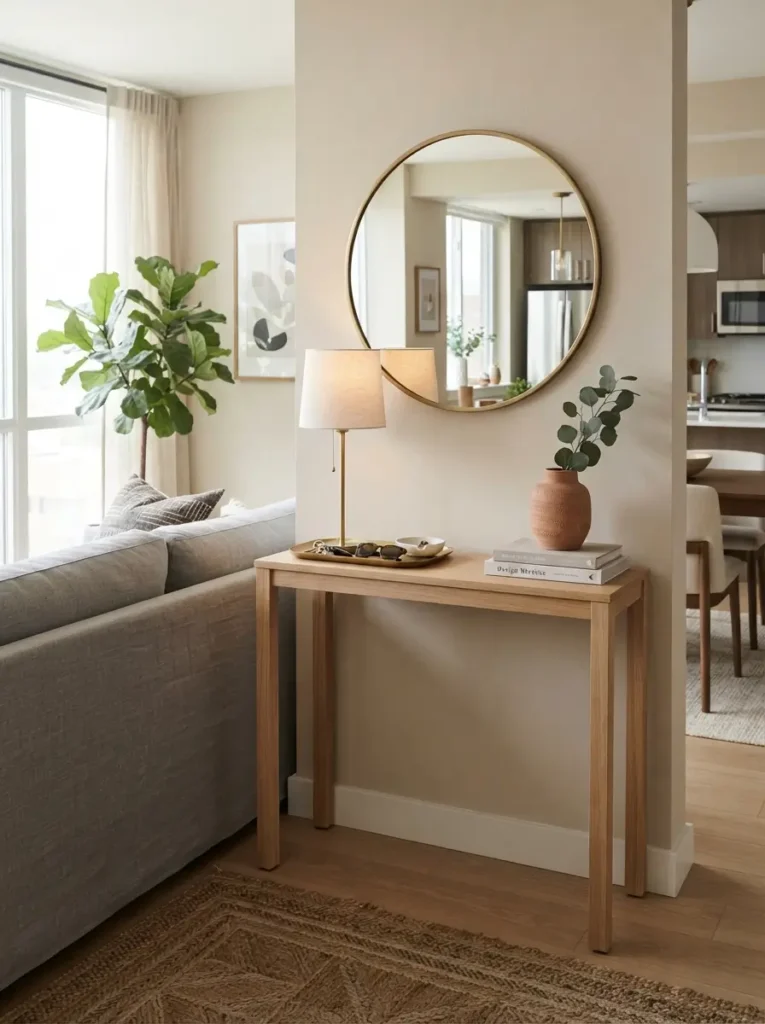
A narrow console table and mirror can create a stylish corner without taking over the living room. This setup works well behind a sofa, near a window, or in an open-plan apartment where the living room blends into the dining area.
Choose a console that is shallow, around 10 to 14 inches deep. This gives you a surface for a lamp, keys, books, or decor without blocking movement. A slim metal console works in modern spaces, while a light wood console feels warmer and softer.
Hang a mirror above the console or lean it against the wall if the table is stable. A rectangular mirror gives a clean vertical line. A round mirror softens the narrow shape of the table. Match the mirror width to about two-thirds of the console width for balance.
This idea works because it creates a useful surface and adds reflection at the same time. The console anchors the mirror, so it does not look random. The mirror also keeps the corner from feeling heavy.
This apartment small living room mirror idea is best for people who need a small drop zone or decorative surface. It is also good for apartments where the living room has no built-in shelves or mantel.
Keep the console clear. Use a tray for small items, one lamp, and one plant or vase. Avoid lining up many tiny objects. Small clutter becomes more noticeable when a mirror reflects it.
Create a Soft Corner With a Mirror and Textiles

A mirror can sometimes feel hard or cold, especially in a small room with plain walls and simple furniture. You can soften it by pairing it with textiles. This means using curtains, rugs, cushions, throws, or fabric lampshades near the mirror.
Place a mirror in a corner near curtains, a cozy chair, or a textured rug. The mirror will reflect the soft materials and make the room feel more layered. This works better than reflecting a blank wall or hard furniture edge.
This idea works because contrast makes a space feel balanced. The mirror brings light and depth, while the textiles bring warmth and comfort. Together, they stop the corner from feeling empty or sharp.
Use colors that connect with the rest of the room. For example, pair a black-framed mirror with cream curtains and a charcoal pillow. Or place a wood-framed mirror near a beige throw, jute rug, and olive cushion. Keep the palette calm so the small room does not feel crowded.
This tip is best for anyone who wants a warm living room without adding too many decorations. It is also helpful if your rental has cold flooring, white walls, or limited natural light.
Do not cover the corner with too many fabrics. One curtain panel, one throw, and one cushion may be enough. The goal is softness, not clutter.
Common Mistakes to Avoid
Choosing a Mirror That Is Too Small
A tiny mirror can look lost in a living room corner. It may not reflect enough light, and it can make the wall feel unfinished. If you want the mirror to change how the room feels, choose a size that has presence.
For most small apartment living rooms, medium mirrors work better than very small ones. A round mirror around 24 to 30 inches wide is a safe choice above a table. A tall mirror around 60 inches or more works well in an empty corner.
Reflecting Clutter Instead of Light
A mirror repeats whatever it faces. If it reflects a messy kitchen counter, cables, laundry basket, or crowded shelf, the room can feel twice as cluttered. Always check the reflection before hanging the mirror.
The best things to reflect are windows, lamps, plants, curtains, open wall space, or attractive furniture. Stand in the main seating area and look at the mirror before final placement. This simple check can prevent a decorating mistake.
Hanging the Mirror Too High
Many people hang mirrors too high. When a mirror floats far above furniture, it can feel disconnected. In a small living room, that gap can make the corner look awkward.
As a general guide, place the mirror center around eye level. If it hangs above furniture, keep the bottom edge around 6 to 10 inches above the table, bench, or mantel. Adjust based on mirror size and ceiling height.
Using Too Many Mirrors in One Room
Mirrors are useful, but too many can make a small apartment feel busy. Multiple reflections can create visual noise, especially at night. Use one strong mirror feature or two smaller mirror moments at most.
If you already have mirrored furniture, glass tables, or shiny metal decor, keep the wall mirror simple. Balance shine with wood, fabric, plants, and matte finishes.
Ignoring Safety
Large mirrors need proper support. Leaning mirrors should be secured, especially if you have children, pets, or a busy household. Wall mirrors should use hardware that matches the mirror weight and wall type.
For renters, removable strips may work for lightweight mirrors, but they are not safe for every piece. Heavy glass mirrors need stronger mounting. When in doubt, choose a lighter acrylic mirror or ask your landlord about safe hanging options.
Forgetting the Walking Path
Small living rooms need clear movement. A mirror should not block a walkway, hit a door, or make a corner harder to use. Before adding a leaning mirror or console, walk through the room as you normally would.
Leave enough space between the furniture and the mirror setup. If people have to turn sideways to pass, the corner is too crowded.
Budget-Friendly Tips
You do not need an expensive mirror to improve a small living room. Many affordable mirrors look stylish when placed well. The trick is to spend carefully and style simply.
Start with secondhand options. Thrift stores, online marketplaces, estate sales, and clearance sections often have mirrors with strong frames. A used mirror can look much more interesting than a basic new one, especially if you like vintage or warm decor.
You can also update an old mirror frame with paint. Use matte black for a modern look, warm white for a soft style, or antique gold for a classic feel. Always clean and lightly sand the frame before painting so the finish lasts longer.
If your mirror is plain, improve the area around it. Add a warm lamp, a plant, a small table, or a woven basket. Good placement can make a simple mirror look much better.
Choose one larger mirror instead of many small pieces. One strong mirror usually gives better impact and can make the room feel calmer. This is often cheaper than buying several small mirrors and frames.
Use renter-friendly methods when possible. Lightweight mirrors can hang with removable strips if they meet the weight limit. Leaning mirrors can work without drilling, but they should still be secured for safety. A mirror on a console can also avoid wall holes if the setup is stable.
Look for multipurpose furniture under the mirror. A storage bench, narrow console, or small cabinet can make the mirror corner more useful. This helps you avoid spending money on decor that only looks nice but does not solve a real problem.
Keep styling minimal. One lamp, one plant, and one tray can be enough. Buying too many small decorative items often costs more and makes the room look crowded.
Apartment Small Living Room Mirror Tips
An apartment small living room mirror should help the room feel brighter, taller, or more balanced. Before you buy one, decide what problem you want to solve. Is the corner dark? Is the wall empty? Does the room feel narrow? Do you need a drop zone? The answer will guide the mirror size and shape.
For dark corners, place the mirror near a lamp or across from a window. For narrow rooms, use a tall vertical mirror to draw the eye upward. For sharp corners, choose a round or arched mirror. For busy rooms, choose a simple frame or frameless design.
Pay attention to frame color. Black frames work well with modern furniture, TV walls, and industrial details. Wood frames suit beige, white, cream, green, and earthy rooms. Brass or gold frames work best when repeated in small accents like lamp bases, handles, or picture frames.
Use lighting wisely. Mirrors look better when they reflect soft light. Warm white bulbs between 2700K and 3000K usually feel best in living rooms. Cool white bulbs can work in kitchens and offices, but they often feel too sharp in a relaxation space.
Think about scale. A large mirror can make a small room feel open, but it should not overwhelm the furniture. A mirror above a table should usually be narrower than the table. A leaning mirror should fit the corner without blocking outlets, curtains, or walkways.
Check reflections from different seats. Sit on the sofa, accent chair, and dining chair if the living room is open-plan. Make sure the mirror does not reflect awkward clutter or bright glare. This step matters more than many beginners realize.
Use mirrors to support zones. In a studio apartment, a mirror can mark a reading corner, entry zone, or plant area. It can make a corner feel planned instead of leftover.
Keep cleaning in mind. Mirrors show fingerprints, dust, and streaks quickly. Avoid placing them where hands touch them often, such as directly beside a narrow entry path. Clean with a microfiber cloth so the surface stays clear.
Most importantly, do not treat the mirror as a magic fix. It works best with good layout, clear surfaces, warm lighting, and thoughtful furniture sizes. A mirror can improve a small living room, but it cannot hide clutter or poor placement.
FAQ
What size mirror is best for a small apartment living room corner?
A medium to large mirror usually works best. For a wall mirror above a table, choose one around 24 to 36 inches wide. For an empty corner, a tall mirror around 60 to 72 inches high can add height and depth.
The right size depends on the furniture nearby. If the mirror sits above a console or bench, keep it slightly narrower than the furniture. If it leans alone in a corner, make sure it feels tall enough to look intentional.
Where should I place a mirror in a small living room?
Place it where it reflects light, greenery, curtains, or an open part of the room. Corners near windows, lamps, accent chairs, or consoles are usually good options. Avoid placing it where it reflects clutter, cords, or a crowded kitchen.
A mirror can also help balance a room with a large sofa or TV wall. Use it to pull light into darker corners and make the layout feel more even.
Are leaning mirrors safe in apartments?
Leaning mirrors can be safe if they are secured properly. Use anti-tip hardware when possible, especially for tall or heavy mirrors. This matters if you have children, pets, or a narrow living room where people may bump into furniture.
If you cannot drill into the wall, choose a lighter mirror and place it behind stable furniture. Do not place a heavy leaning mirror in a busy walkway.
Do mirrors really make a small living room look bigger?
Mirrors can make a small living room feel more open when placed well. They reflect light and create a sense of depth. A tall mirror can make the ceiling feel higher, while a wide mirror can make a wall feel broader.
However, mirrors work best when the room is tidy and well-lit. If a mirror reflects clutter, it can make the room feel more crowded instead of larger.
What mirror shape is best for small apartment corners?
Round and arched mirrors work well because they soften sharp corners. Tall rectangular mirrors are better when you want height. Oval mirrors can also work in narrow corners because they feel slim but soft.
Choose the shape based on your furniture. If your room has many straight lines, try round or arched. If your room already has soft shapes, a rectangular mirror can add structure.
How can I decorate around a mirror without clutter?
Use only a few items around the mirror. A small lamp, plant, tray, or basket is often enough. Keep surfaces clear and avoid placing many tiny objects in front of the mirror.
The mirror will reflect nearby items, so simple styling looks better. Choose pieces with purpose, such as lighting, storage, or greenery.
Conclusion
A small apartment living room corner does not have to stay empty or awkward. With the right mirror, it can become one of the most useful and attractive parts of the room. A mirror can brighten dark corners, add height, reflect your best decor, and make the layout feel more balanced.
The best apartment small living room mirror ideas are practical first. Choose a tall leaning mirror for height, a round mirror for softness, an arched mirror for a cozy reading corner, or a mirror above a console for function. Think about what the mirror reflects, how much space it takes, and whether it helps the room feel easier to live in.
Small-space decorating works best when every item has a reason. A mirror should not only fill a wall. It should solve a problem, support your layout, and make the corner feel intentional. Start with one corner, keep the styling simple, and let the mirror make the room feel brighter, calmer, and more complete.