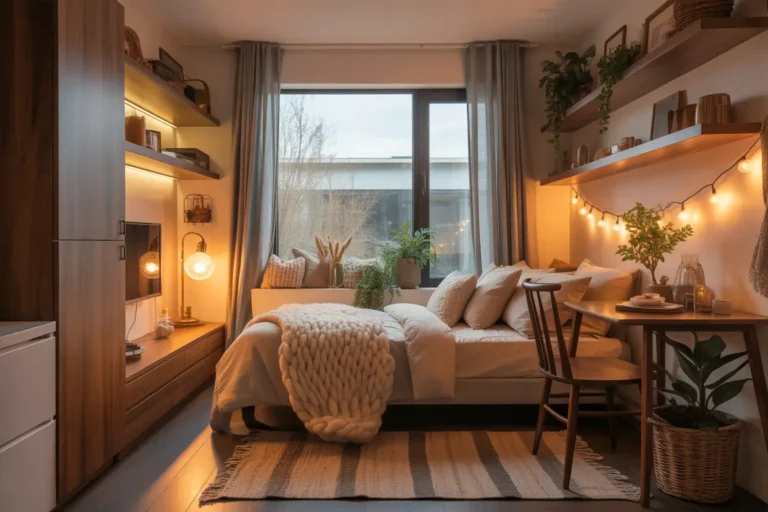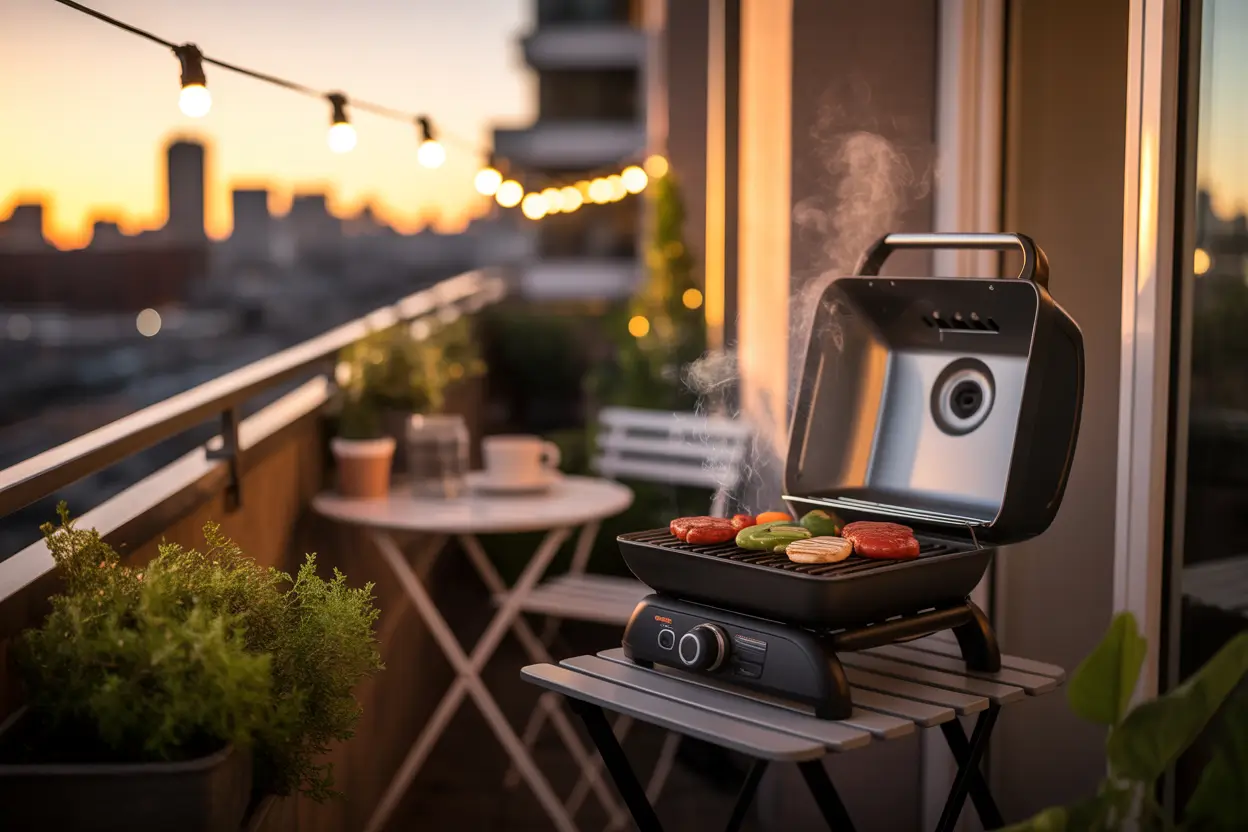

Balcony living often comes with small joys. Fresh air, morning coffee, and quiet evening views can make even a tiny apartment feel relaxing. Many people also imagine cooking outside on that same balcony. Grilling feels like one of those simple pleasures that turns a normal evening into something special.
Small spaces, however, bring a few questions. Many renters wonder if grilling on an apartment balcony is allowed. Some worry about safety, building rules, or neighbors. Others simply want to know if grilling can work in a tight space without creating smoke or problems. With a little planning and the right setup, balcony grilling can sometimes fit into apartment life more easily than people expect.
Why Balcony Grilling Appeals to Apartment Living
Outdoor cooking creates a completely different mood from cooking inside a kitchen. Fresh air, open space, and the smell of grilled food make meals feel more relaxed and social. For people living in apartments, a balcony may be the only place that offers this outdoor feeling.
Small balcony grills also help keep heat and food smells out of the kitchen. During warm months, this can make a big difference. Instead of heating the apartment with a stovetop or oven, cooking outside keeps the indoor space cooler and more comfortable.
Many apartment residents also enjoy the casual style that grilling brings. Simple foods like vegetables, chicken, or burgers cook quickly and require minimal cleanup. Even a tiny balcony can turn into a pleasant evening cooking spot when arranged thoughtfully.
Checking Apartment Rules Before Grilling
Before bringing any grill onto a balcony, building rules should always come first. Many apartment complexes include clear policies about grilling in their lease agreements. These rules exist mainly to prevent fire risks and smoke issues in shared buildings.
Some apartments do not allow grills of any type on balconies. Others allow only certain kinds of grills, usually electric models. Charcoal grills and propane grills are often restricted because they create open flames and more smoke.
If the lease agreement does not clearly explain grilling policies, speaking with building management can help avoid problems later. A quick conversation with the property office may reveal approved options or designated outdoor grilling areas.
Even when grilling is allowed, some buildings require grills to stay a certain distance from walls or railings. Following these guidelines protects both residents and the building itself.
Understanding Local Fire Safety Rules
Beyond apartment policies, many cities and fire departments have their own regulations about balcony grilling. These rules often focus on preventing fires in multi-story buildings.
Common fire safety rules include limits on open flame grills in apartment complexes. Charcoal and propane grills are sometimes restricted unless the balcony is large and placed far from structures. Electric grills are usually more widely accepted because they produce less flame and smoke.
Local fire codes may also require grills to stay a specific distance from buildings. Some areas suggest keeping grills at least ten feet away from walls, railings, or overhangs. On small balconies, meeting that distance can be difficult, which is why many people choose electric grills instead.
Checking local safety guidelines before buying a grill can save time and money. It also helps prevent any misunderstandings with building management.
Choosing the Best Grill for Small Balconies
Space matters when grilling on an apartment balcony. Large backyard grills simply do not fit comfortably in tight areas. Compact grills designed for small outdoor spaces are usually a better match.
Electric grills are often the most balcony-friendly option. They produce steady heat without open flames and create less smoke. Many models plug directly into a standard outlet, making setup simple.
Small tabletop grills also work well for apartment living. These grills sit on a sturdy table or balcony counter and do not take up much floor space. Despite their size, they can cook a surprising amount of food.
Portable grills offer another practical solution. Some models fold or store easily when not in use. This helps keep the balcony open and uncluttered.
Selecting a grill designed for limited space helps keep the balcony comfortable while still allowing outdoor cooking.
Setting Up a Safe Grilling Area
A thoughtful setup makes balcony grilling much easier. Even a small space can work well when everything is arranged carefully.
Start by placing the grill on a stable, heat-resistant surface. Metal tables, grill stands, or stone surfaces work best. Wooden surfaces should be protected with heat-resistant mats.
Keeping the grill away from balcony walls and railings improves airflow and safety. Smoke rises quickly in small spaces, so giving the grill breathing room helps prevent smoke buildup.
Storing grilling tools in a small container or basket keeps the area organized. Tongs, spatulas, and cleaning brushes should stay within reach but not directly beside the heat.
Simple organization turns a tight balcony into a comfortable mini cooking zone.
Managing Smoke in Small Spaces
Smoke can become a concern when grilling close to neighbors. Apartment balconies often sit only a few feet apart, so heavy smoke may travel quickly into nearby homes.
Choosing foods that create less smoke can help. Lean meats, vegetables, and seafood usually produce less grease and smoke than fatty cuts of meat. Cooking at moderate temperatures also keeps smoke levels lower.
Electric grills again prove helpful here. They create less intense smoke compared with charcoal grills. Many modern models also include drip trays that catch grease before it burns.
Wind direction matters as well. Grilling when the breeze moves smoke away from neighboring balconies can make the experience more pleasant for everyone.
Respecting shared airspace keeps balcony cooking enjoyable for the entire building.
Keeping Balcony Grilling Neighbor Friendly
Living in an apartment means sharing space with others. Friendly grilling habits can prevent complaints and keep relationships positive.
Timing matters. Cooking during normal meal hours is usually more considerate than grilling late at night. Loud cooking tools or strong food smells may bother neighbors if used very late.
Cleaning the grill regularly also helps. Grease buildup can create strong smoke and odors. A quick cleaning after each use keeps the grill working well and reduces lingering smells.
Using smaller cooking sessions instead of long grilling events also helps keep things comfortable for nearby residents.
Balcony grilling can remain enjoyable when everyone shares the space respectfully.
Creative Cooking Ideas for Balcony Grills
Small grills may seem limiting, but they can cook a surprising variety of foods. Simple meals often taste even better when grilled outdoors.
Vegetables work beautifully on balcony grills. Zucchini, bell peppers, mushrooms, and corn cook quickly and add fresh flavors to any meal. Skewers also make grilling easy because they keep ingredients organized and simple to turn.
Chicken, shrimp, and thin steak cuts grill quickly in small spaces. These foods require little preparation and cook evenly on compact grills.
Flatbreads and sandwiches also work well. Lightly grilled bread with melted cheese or vegetables can create quick meals without much cleanup.
Even a tiny balcony grill can turn everyday cooking into something more fun and relaxed.
Keeping Balcony Grills Clean and Maintained
Regular cleaning keeps grills safe and working properly. Grease buildup can create smoke and increase fire risk, especially in small spaces.
After each grilling session, brushing the grill grates while they are still warm removes food residue easily. Once the grill cools completely, wiping surfaces with a damp cloth helps remove grease and dust.
Drip trays should be emptied frequently. Grease left sitting in trays can create strong odors and attract insects.
Covering the grill when it is not in use protects it from dust, rain, and balcony debris. Simple grill covers designed for compact models help keep equipment clean and ready for the next cooking session.
A little care goes a long way toward keeping balcony grilling enjoyable.
Alternative Options When Balcony Grills Are Not Allowed
Some apartment buildings completely restrict grilling on balconies. This can feel disappointing at first, but several alternatives still allow residents to enjoy grilled-style cooking.
Many complexes offer shared outdoor grilling stations. These community grills provide safe cooking areas without the risks of balcony grilling. Residents often use them for weekend meals or small gatherings.
Indoor grill pans also mimic outdoor grilling. Cast-iron grill pans placed on a stovetop create grill marks and similar flavors. Electric indoor grills can provide another convenient solution.
Portable picnic grills can also be used at parks or outdoor areas nearby. Taking the grill outside the apartment building still allows residents to enjoy outdoor cooking without breaking building rules.
These alternatives keep the grilling spirit alive even when balconies cannot host grills.
Final Thoughts on Balcony Grilling in Small Spaces
Grilling on an apartment balcony in small spaces can sometimes work with the right approach. Checking building rules, choosing compact grills, and following safety practices make a big difference.
Electric grills often fit apartment living best because they create less smoke and reduce fire concerns. Thoughtful placement and careful cooking habits also help keep neighbors comfortable.
Balcony grilling may not look like a large backyard barbecue, but it can still bring simple outdoor cooking joy to apartment life. Even a tiny balcony can become a pleasant cooking corner when used responsibly.
With a bit of planning and respect for shared living spaces, grilling outdoors can remain a fun part of apartment living. Small spaces do not have to stop the pleasure of cooking under the open sky.